Archive | Uncategorized RSS feed for this section

Day 82 of 96 – The Soccer Part 3: See you in hell, dinner plate.

11 Dec

So here’s the final part of my soccer rant. Somethings are good, some are bad, but all are listed below.

Good – relegation / promotion – the lowest-ranking teams in the various soccer leagues get demoted to the second division at the end of the season. This makes end-of-season games actually interesting because there’s something at stake.

Good – Once-per week league games – look no further than the success the NFL has achieved using this same format. Dedicating an entire day of the week to play the majority of your games makes an event of that day. Fans can get into a routine and routines are hard to break.

Good – A reasonable number of games per season – hockey, baseball, and basketball can be entertaining to watch but the games are meaningless because there are too many of them. Even they playoff games are all best-of-seven and if a team is up three games to one, no one ends up watching because the result is almost a forgone conclusion.

Good – Fixed-duration games – this makes television broadcasting very straightforward and it allows you to plan your day with some degree of certainty. As a longtime Simpsons and X-Files watcher, I used to hate when the NFL games would run long, and they always did.

Bad – Lack of a draft – there are essentially about seven soccer teams Milan, Manchester, Madrid, Munich, Barcelona, and two others that have all the money. They win all the time because they have the cash to buy all of the young talent. This is sooo boring. But at the same time it does make it possible for one to cheer for them to lose.

Bad – Lack of a salary cap or any sort of revenue sharing – same as the previous example. I heard once that if any of the governing bodies tries to implement anything sort of finance-limiting playing-field-leveling regulations that the big seven teams would simply break away and form their own league. If that’s true: what a bunch of douche bags.

Good – Inter-league games on weekdays – more soccer at a semi-regular interval is great for the people who love the sport. Same goes for the qualifying games for the national teams. North American has nothing like this. I think this might be my favorite thing about soccer.

Good – Single-game playoffs – in hockey, baseball, and basketball, game seven is the most exciting thing possible. To their credit, soccer has this all the time. Single-game elimination is just awesome.

Bad – The cheating and the unwillingness / inability to get rid of the cheating – this is self-explanatory. Shameful.

Bad – The lack of video replay – what is this? The time of Charlemagne?

Bad – Soccer has but one ref and two linesmen – NFL football with a smaller field has seven total officiators. And video replay.

Bad – The pace of the game – players can kick the ball out of bounds at any point with no penalty. It slows the game down.

Bad – The inequality between diving and actually trying to score – the penalty for diving is almost nothing, but if the player dives “successfully” he has a much higher chance of scoring than if he’d played through. Cheating is rewarded.

Good – the behavior of the fans – they bring the energy level up and make the whole soccer-in-the-stadium experience even better.

Bad – the behavior of the fans – the hooliganism that surrounds many soccer games should embarrass anyone who associates with the sport.

Bad – the hooliganism – it doesn’t seem to embarrass anyone.

Good – the cost of the tickets – they are reasonable.

Good – anyone can play soccer – it’s cheap so that poor people can play it. Hockey is crazy expensive. Also regular-sized people:  you don’t have to be a genetic freak (like in football or basketball) to be a superstar.

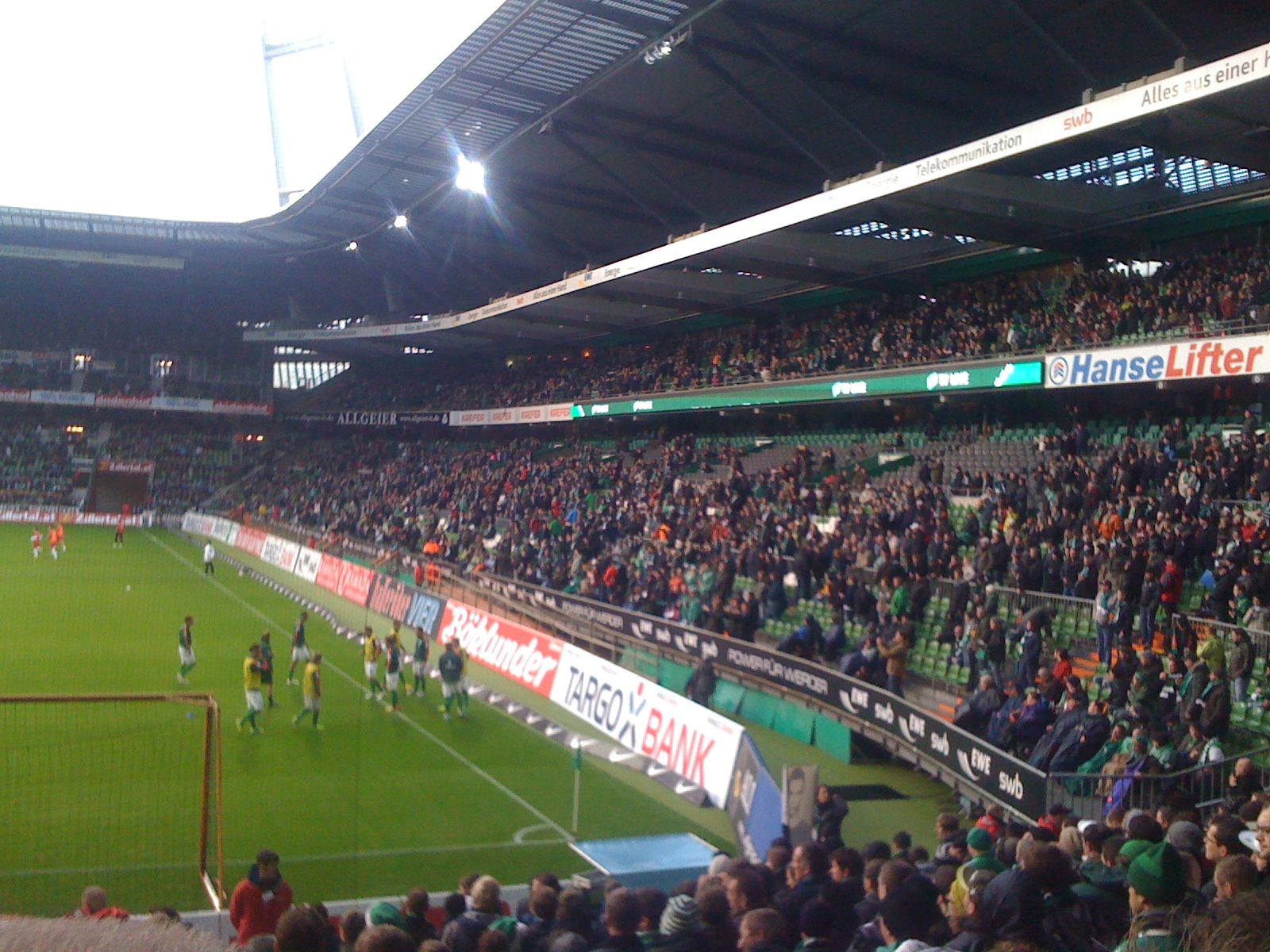
Good – they play outside – helps keep the cost down for this stadiums (roofs are expensive). And the fresh air is good for everyone.

Good – Giggs getting a yellow card in the box – he deserved it this time.

Bad – I’m sure that there are some things I’ve forgotten – oh well. Now let me never write about soccer ever again.

Is there such a thing as soccer cards?

Day 81 of 96 – Jigsaw Puzzle Time (liveblog!)

8 Dec

****Scroll down for the latest updates****

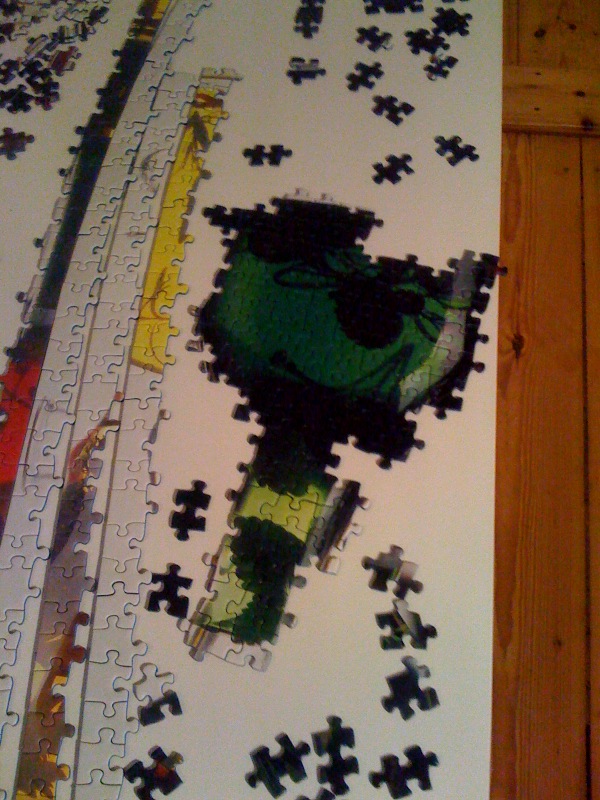
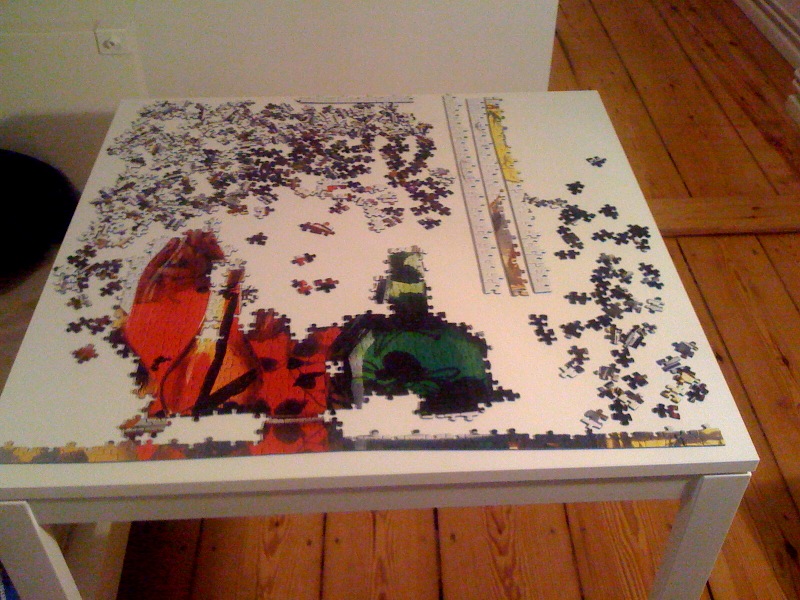
19:15 – Hello everyone, I’m going to attempt to assemble a 1000-piece jigsaw puzzle tonight.

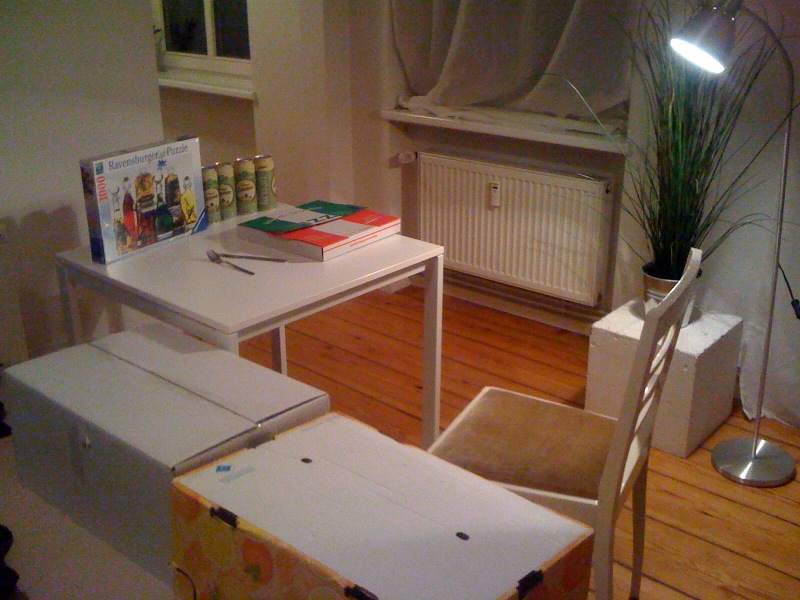
I’ve moved the table into the bedroom area and set up two make-shift surfaces (boxes) to put some of the pieces on (for sorting mostly).

My fuel is 4 beers from Finland, one doner pizza, and a good night’s sleep (from yesterday). I’m going to try and live blog the whole thing. I have no idea how long it is going to take. You can place your bets in the comments.

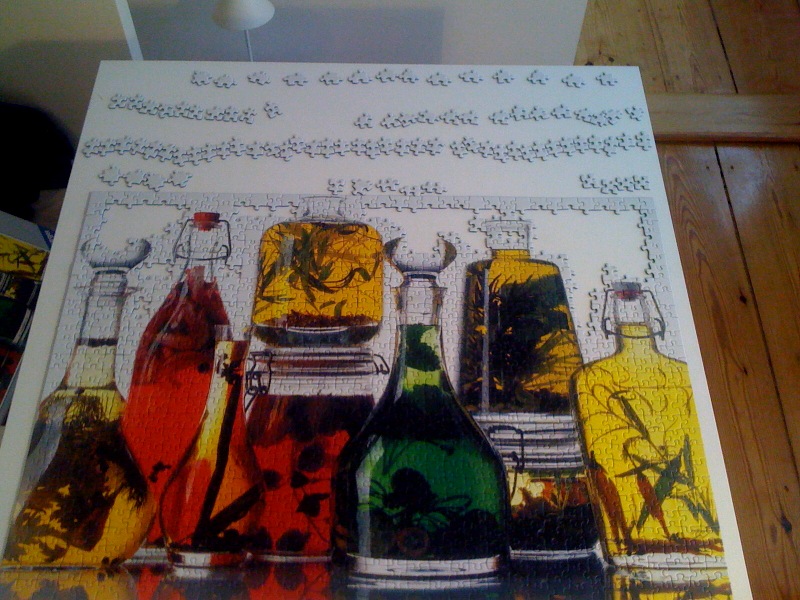
The set up.

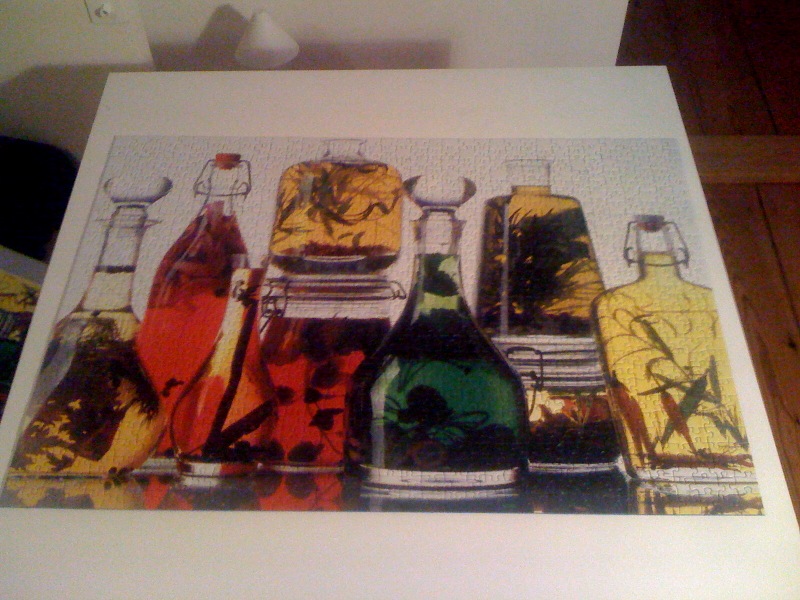
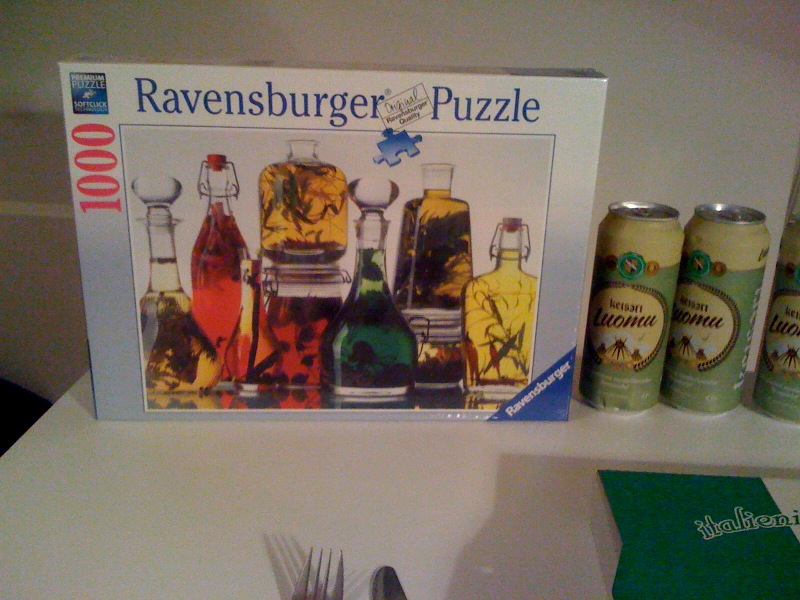
The Puzzle

Please check back for updates.

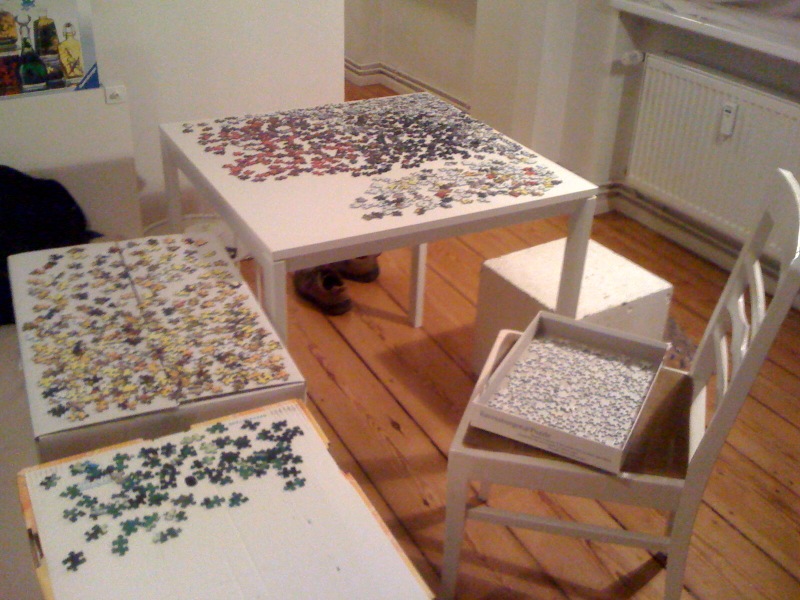
19:20 – sorting by color and type (edge)

19:50 – got all four corner pieces. I’m halfway done.

20:15 – got the radio working http://www.berliner-rundfunk.de/ – Smalltown Boy by Bronskie Beat

20:30 – sorted, seven groups – green, yellow, red, white, edge, dark, half-white – No Milk Today by Herman’s Hermits

Sorted

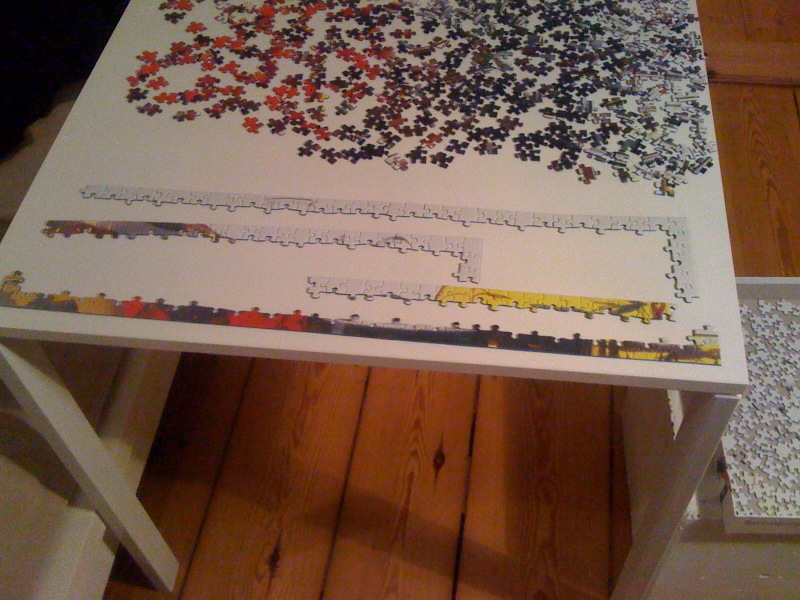
21:05 – edge complete – You’re so Vain by Carley Simon

Keeps me sharp, on the edge, where I gotta be.

22:10 – Green bottle complete, starting on the red – In the Summertime by Mungo Jerry

Time for a beer

23:15 – problem is there’s two red jars – Gordon Lighttfoot – If you Could Read my Mind

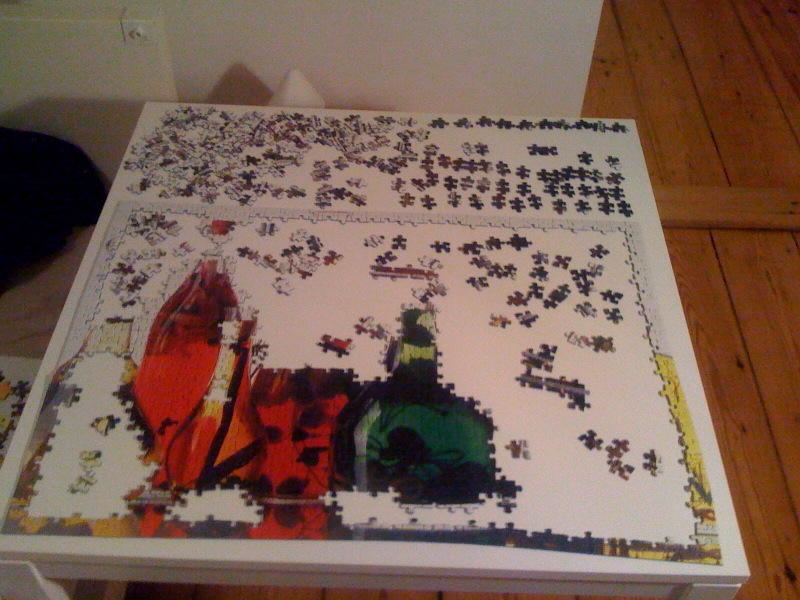
00:38 – red jars done – One of Us by ABBA (Never heard  this one before)

Having vision problems.

00:45 – going to start the yellow now – I want to Know What Love is by Auslander

Time for sleep

01:33 – sleep

08:33 – back to work – Berlin RundFunk Morning Zoo Crew

08:52 – non-yellow pieces sorted for color and shape – Heart of Gold by Neil Young (CanCon) after two SwedCon songs (ABBA and Roxette)

Sorted!

13:10 – go eat or finish the puzzle? – Lady in Black by Uriha Heap (dare I ask?)

Of course I'm going to finish it.

14:11 – only the white pieces left – You Spin me Around by Dead or Alive

All the remaining pieces are the same colour. FML

14:40 – 69 pieces left – Killing me Softly by Roberta Flack (how appropriate)

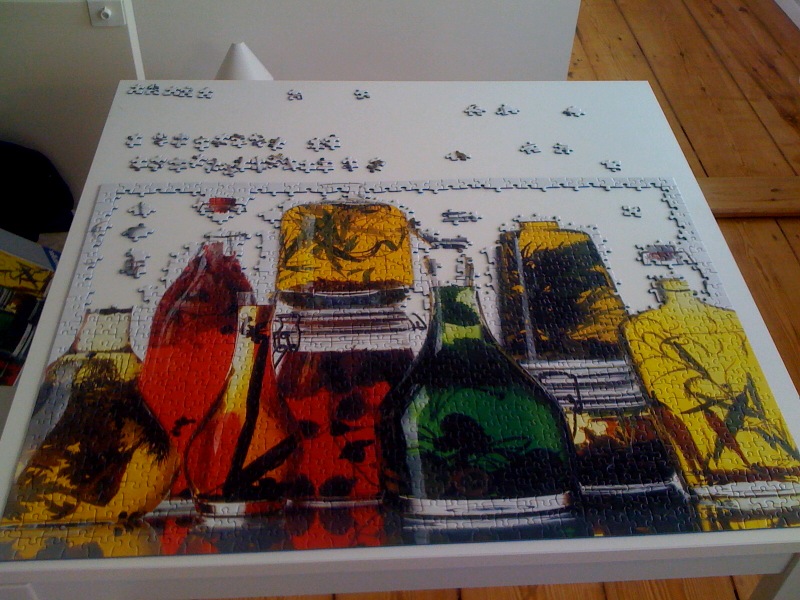
16:14 – all done – Dien ist mein Ganzes Herz by Heinz Rudolf Kunze

Finally


Day 80 of 98 – The Soccer Part 2c: Vote Quimby!

8 Dec

Continuing on, this post will be about the general behavior of soccer fans.

So the previous post contains one possible explanation for the violence, but what about all that craziness that goes on during the regular season soccer games. What’s up with that?

I think there are a number of factors. For starters, the previously-mentioned regional rivalries help get the fans worked up. It probably carries over to when a team is not playing a close rival. No doubt about that.

In addition the game is slow and you are unlikely to miss anything if you turn your head for 30 seconds. If something exciting did happen the rest of the crowd would let you know well in advance of the event itself. Idle hand are the Devil’s something. Or so it says in the bible. I think the fans can act all crazy-like because the likelihood of them missing something important is incredibly low. Many goals are scored on penalty or corner kicks and these take a long time to set up. Everyone is watching.

Baseball and football have breaks between every play that are about twenty to sixty seconds long. These pauses are effectively timeouts – no one is going to score. You would think this would be the death of the sport, but once the play starts again, there is decent chance of something interesting happening. To put it simply, in baseball one can score with the very first pitch. In football it’s possible to score a touchdown on the very first play – and this does happen. In hockey, the fastest goal from a center-ice face-off is about four seconds.

You can look away to try and light that firecracker but you might miss something. Or not.

Meanwhile in soccer, many games go the entire match without a goal. There have been ninety-six Champions League matches played this fall and eight have been scoreless draws. That’s a greater than eight percent chance of not seeing a single goal during a match.

Now I’m *not* saying that soccer is objectively boring. If your team needs a tie to advance, a 0-0 final score is awesome. Every shot on goal could be the end of your season – this is drama. And from point number one: if you grew up with soccer you will find it interesting and exciting.

What I’m trying to establish is that there are very few moments in a soccer game where someone has an actual chance of scoring. This means that the fans have had to invent novel ways of keeping themselves entertained. This is where the marching bands, the firecrackers, the alcohol, the flags, the singing, and the taunting of the opposing team’s fans comes in.

And all of this make the in-stadium soccer experience a lot of fun. If you get a chance you should really try and see a game.

There are some other factors at play here too:

  • It’s winter, the fans are outside, and they have to keep warm – so they jump around
  • They are also standing (the most boisterous ones anyway) so they need to keep moving to stay comfortable
  • The games are played at the same time every week – it becomes ritual, and therefor its importance gets elevated (plus it’s just easier to schedule). The NFL is like this too (except they play on Sundays) and they have the craziest tailgate parities/fans. The NHL, MLB, and NBA play their games on all days of the week so it’s impossible for it to become fully ritualized.
  • There are fewer games so they become more important – in baseball each team has a hundred and sixty-two games in the regular season. Hockey and basketball each have eighty-two; NFL football sixteen and CFL eighteen.
  • The fixed duration of the matches might mix in there too. If there was even a ten percent chance that the games could run four hours, I bet a lot of fans would be turned off. At a minimum they would want to be able to sit down.

Jebus. It’s like I’m back in school writing a report. To summarize:

Soccer violence – cultural and regional historical rivalries that are largely absent in North America.

Soccer fans acting all crazy during regular season games – low likelihood of scoring coupled with the previously-mentioned preclusion for soccer violence mixed with the ritualized nature of the once-per-week contests and the low number of games per year.

This all may sound a bit hokey to some of you, but I for one, like establishing sweeping, all-encompassing “facts” that are based on a small number of personal experiences.

Day 79 of 98 – The Soccer Part 2b: There’s plenty of exits for everyone

8 Dec

Continuing the previous post, this one will be about the behavior of soccer fans.

3. The fervor of some soccer fans at almost every match reaches an intensity that in North American we save mostly for the playoffs. Combined with point number one (dullness), this only increases our bewilderment.

On its own, sports fans acting crazy and doing stupid, violent things does not require any special explanation. It’s a simply combination of human males aged fifteen to twenty five, passion, excitement, high stakes, human nature (competitiveness, in-group/out-group mentality), and alcohol. Everyone knows this.

The problem is that to your average North American, most soccer games lack excitement and high stakes. The majority of regular season games are, well, regular (i.e. nothing special). So why all the craziness? And why are there real security concerns at regular season soccer games? The answer is a bit complex.

I’ve been hanging around Europeans for a while and I hope to be able to shed some light on this subject for my fellow Canadians and both my American readers. Maybe the Euros reading this might be able to learn something too while we’re at it.

First up: the violence. In Europe, local rivalries are real things, not made up like in North America. Canadians think there’s a rivalry between the US and Canada. There isn’t. If there are any scientists out there, here’s an experiment you can try. It involves alcohol, it’ll be fun!

Order a Budweiser at a bar in Toronto and see what happens. Then, drive to Buffalo and order a Molson beer. Next, fly to Dusseldorf, go to a pub and order a Kolsh. Be sure to note the reaction of the people around you. If you’re still able, try the same thing in a Cologne pub, but this time order an Alt Bier.

Note: Visa gold card travel insurance is only good for trips that are less than 15 days in duration.

You should notice a much higher level of hostility in Cologne/Dusseldorf than in Toronto/Buffalo. But this is just a simple thing, ordering a beer. What is going on?

See, in North America we have lots of space and we’re relatively young compared to Europe. We are roughly half the population but twice their size (I’m not including Mexico). For 500 years the Americans of European dissent did not face any serious eternal threats to their existence. The natives did not have any of the guns, germs, or steel which enabled the Europeans to take over the continent with relative ease. The only major war I can remember from my eighth grade history class was the war of 1812 and this only lasted a couple of years (the war, not grade eight).

If you’ve got lots of space, no worries about being invaded, and enough time (hundreds of years), you’re going to develop a culture that is more or less, how do I say, not so concerned with your neighbors. There’s less competition for resources because of all the free space and it just might be easier to just move somewhere else than to go to war over some patch of land.

I have no idea if any of this is true. But one thing I do know is that for much of the history of Europe, things were a lot different than in North America. For centuries in Europe you had (have?) many different countries and cultures that were always warring with each other, competing for resources, and worrying about being invaded.

At the soccer match the other day, Julia was telling me that the Bremen fans are really well behaved and that they don’t fight with the opposing team’s supports. What a strange statement. Why would anyone want to fight with anyone? Especially over soccer.

But then she added a qualifier “unless they’re playing Hamburg”. Re: qualifier – no pun intended.

Who are these Hamburgers you speak of, and what makes them so special?

Well it all comes back to geography. Bremen and Hamburg are two of the three German city-states – part of the Hanseatic League. They are located about one hundred kilometers apart and they probably have some huge rivalry that goes back hundreds of years. Luckily for everyone, all that remains of this once great conflict are twice-yearly soccer contests (one home, one away), that are “fought” by twenty-two men, none of whom are actually from either city.

Because of their close proximity the visiting team in Bremen vs. Hamburg matches usually has a significant number of supporters (maybe a few thousand?) that will make the journey into enemy territory. Compare this with the Stuttgarters from about six hundred kilometers south of Bremen. They had only about 500 fans crammed into the visitor’s cheering section way at the end of the stadium. The Bremeners didn’t really care about them.

And why would they? Their numbers are too small to be a physical threat and there’s no real rivalry between the two teams. They only play against each other twice per season and there’s no playoffs in Bundesliga soccer. I could imagine a rivalry developing between these two distant cities after a hard-fought playoff where one team was victorious after a questionable decision by the officiator (soccer anyone?). But with so few games being played between them it’s difficult for anyone to carry a grudge for longer than a week in today’s ADD-addled society.

Even if there was a crazy game at the end of the season where the losing team was relegated to the second division it would be at *least* a year and a half before these teams could play each other again.

My hypothesis is that because of the historical conflicts of the region, there is a higher likelihood of soccer violence if the teams that are playing share a close geographical proximity.

Maybe some teams (or countries) have fans that are crazy and they end up fighting all the time. Or maybe there are some teams that are universally reviled – Bayern Munich might fall into this category – more on them later. These are both possibilities but I think that there’s much truth to what I’m claiming.

Now in North America there is violence between the supports of rival teams but it seems to me that it’s not on the same level as in soccer. I’m not aware of any NFL, CFL, NHL, MLB, NBA, or WNBA teams that segregate the visiting team’s fans. The large police presence at the crucial post-season games is to prevent the fans from rioting but this sort of thing only happens late in the playoffs.

Back in Ottawa in 2005 there was this German student who was there on exchange. He was a huge sports fan. I found it fascinating to watch him throw all his support behind the Senators: face painted, jersey wearing, cheering loudly, an actual attempt to understand the rules. I was all like, “Relax guy, it’s just a pre-season game. These are even more worthless than the ones in the regular season.” (they play almost ninety in total). But he was all like, “I’m not your guy, buddy. I’m from Ottawa now, and this is my team”.

He didn’t read up on all the different teams or try to find a German-born players and cheer for those teams. It was a pretty straightforward process for him.

Day 78 of 98 – The Soccer Part 2a: It’s our differences that make us different.

7 Dec

North Americans are often times perplexed by soccer. I’ve done some analysis and I think there are three main areas of confusion:

  1. We know soccer is popular but we find it dull (I know this is pretty rich originating from a continent full of baseball fans – more on that later).
  2. There seems to be an incredible amount of unfairness surrounding the game.
  3. The fervor of some soccer fans at almost every match reaches an intensity that in North America we save mostly for the playoffs. Combined with point number one, this only increases our bewilderment.

Before I start on this, I should say I’m not going to even attempt to explain why soccer became popular and some other sport didn’t. It’s not important. It is number one, let’s go from there.

Popular but Dull?

Soccer’s popularity with respect to its perceived dullness is not a huge mystery to me. It’s actually pretty simple – people tend to like the things they grew up around. Sports, language, food, religion, politics – the intensity of ones affinity for all of these things is likely more related to geography than anything else. Why else would people from Ottawa cheer for the Senators? Because they’re the best? Riiiight.

If you don’t believe me, grab an atlas and look up the section on world languages and religion. You should see a distinct geographical pattern related to their distribution. If you can find a similar map for sports, I’ll bet you dollars to doughnuts that you’ll see an almost identical pattern (sports popularity relating to geopolitical boundaries). This also kind of explains baseball and maybe cricket.

So there you have it, the first mystery solved in two paragraphs: most of the world loves soccer because it’s the popular sport in the countries where it is a popular sport.

But I don’t think many Canadians and Americans would find this a very satisfying answer for the second or third mysteries.

The Unfairness?

North Americans have an expectation that there will be a level playing field in professional team sports. We know that’s not always the case, but a concerted effort has been made to make sure every team has a fair shot at winning. And some leagues do it better than others: the NFL is probably the best with Major League Baseball the worst. Hockey and basketball are in the middle.

But soccer takes things to a whole new level. Let’s start with payroll.

All of the major team sports in North America have instituted some sort of salary cap. The goal of which is to keep costs down and to ensure parity between the different teams. Nothing like this exists in European soccer.

The NFL has a very elaborate revenue sharing structure. Again the goal is to ensure that smaller markets (Green Bay) can compete with the larger teams (Dallas). And it appears that it kind of works – the Packers won the Super Bowl last season and the Cowboys did not. Contrast that with what you find in the UK Premiership. You have Manchester United with revenues of € 349 000 000 playing in the same league as something called the West Ham United. They had about € 87 600 000 in revenue last year. Hardly seems fair to me.

But don't worry, I read on Wikipedia that West Ham was bought in 2006 by "an Icelandic consortium". I'm sure their financial troubles are behind them.

Next there’s the distribution of new talent between the various teams. NFL-NHL-MLB-NBA all have a draft. Soccer it’s a free-for-all. I originally thought this was a joke, until I watched this. The kid can play.

Back in the “real” world, ESPN reports that Real Madrid signed a seven-year-old. I have a feeling this trend is going to get worse before it gets better.

Sign that kid!

I could go on for days about the diving that takes place in soccer. Don’t worry, I won’t. I will say that diving used to be a problem in ice hockey but the league really clamped down on the practice. Also, in the NHL you can get a penalty for diving, said penalty can actually affect the result of the game, and the officiators actually enforce the rule. Seems fair to me.

Related to diving, video replay is used in the National Hockey League, National Football League, Canadian Football League, National Basketball Association, and Major League Baseball. It helps correct inaccurate officiating decisions. The technology has been around for decades and if any sport could benefit from it, it’s soccer – which has only one referee, twenty-two players and a playing surface that’s the size of a soccer field.

And… I think now is a good time to come clean: North Americans really only pay attention to soccer every four years during the World Cup.

This is relevant because I think we have this naive expectation that in the four years between tournaments they will have fixed all the problems that were encountered previous time. As we’re picking our teams for the pool, we go online and look up the rules. We’re surprised to find that ties are decided by a coin toss (I’m not making this up) and there’s still only one referee with no video replay.

People tend to focus on the obvious unfairness (the poor officiating, the cheating, the lack of video replay), but what I think is probably more frustrating for North American sports fans, is the inability (or unwillingness) of the governing bodies to fix the problems. Soccer remains broken in spite of the fact that there are simple solutions that have been successfully implemented elsewhere.

In North America, conscious (albeit imperfect) efforts have been made to improve our sports to make them better and more fair. It’s something the fans have come to expect but there is little indication that soccer has any desire to improve. I think if this were to change, it would go a long way towards increasing acceptance of the sport in Canada and the United States.

Day 77 of 98 – The Soccer Part 1: Soccer Rules!

6 Dec

I think I have to write this part with soccer as the reference point, otherwise it’s just too messy. I’ll explain the differences with North American sports in part three. Aside: while writing this, it occurred to me that the Europeans have put way more thought into “soccer” than how they run their economy. The soccer system is not without its problems, but let’s save that revolution for part three.

There are city teams and national teams.

The city teams are made up of players from all over the place while the national teams are almost exclusively composed of players with citizenship or citizenship eligibility of that country.

There are league games and tournament games.

Most countries have national leagues and the teams in these leagues are from cities within that county. In league games they play against each other (i.e. Berlin FC vs. Munich FC). Each country can have many different leagues (also called divisions). The individual nations have their own nomenclature but basically its first division with the best teams then, second division, third division, etc. Some of the crazier soccer-crazy countries have almost fifteen divisions.

The big European soccer tournament is the UEFA Champions League where the best city teams from the different national leagues play against each other (i.e. Berlin FC vs. Paris FC).

There are continental tournaments (Asia, Africa, South America, Europe, Oceanland, North America) for the national teams from each region. These are all held every two three or four years. They don’t just let every team in, each country has to qualify.

And of course there is the World Cup held every four years just a couple of months after the Winter Olympics.

Who are the winners and how is it decided who are the winners?

  • There are no playoffs in the national leagues – the team with the most points at the end of the season is the champion. This is boring.
  • The teams at the bottom of the standings get demoted to the next lower division. This is the opposite of boring.
  • The top teams in each league get promoted to the next higher division, also not boring
  • except in the first division where the top teams get invited to play in the UEFA Champions League tournament

The Champions League is decided by a round-robin group stage followed by a playoff. International tournaments are the same. Teams are placed into groups and the top two teams in each group move on to the elimination round.

The fall, winter, and summer

  • The national league city team games are played on Sunday in afternoon time slots (similar to NFL Football).
  • UEFA games are played midweek approximately every three weeks.
  • Qualifying games for international tournaments are also played midweek every couple of months or so.

The summer

The summer is reserved for the big international tournaments.

Number of games in a season

The national leagues play once a week from September until about May. I hope they get Christmas off.

The games

Soccer has ties, unless it’s an elimination game where they go into overtime (not sudden-death) and then penalty kicks if it’s still tied.

Sometimes they have these home / away two-game mini-tournaments where any ties are decided by which team had more away goals. This is kinda cool.

Game Duration

The games are always of a fixed length 45 min. – 15 min. intermission – 45 min.

  • 105 – 115 minutes for a regulation game
  • 145 – 155 minutes for an overtime game – two 15-minute overtime halves
  • You can add another 15 minutes on if penally kicks are required.
  • At the end of each half the referee will add some “penalty time” if there were any stoppages

Player selection

There’s no draft. Teams can pretty much sign whomever they want.

Where they make their money

The teams make their money from TV broadcasts and at the gate (tickets sold at the stadium).

The rules

The rules appear to be difficult to change. It’s unclear to me how they would be able to do this with so many different leagues and association. There is no video replay.

The visiting team’s supporters

In some stadiums these guys are given a dedicated section as well as their own entrance, concession stands and washrooms. This is to reduce the likelihood of violence between the fans.

Apologies

My apologies for all that, but it’s needed for the second and third parts to make any sense.

Photo Caption

Day 76 of 98 – I understood the word ‘gave’… unless it means something else in this country.

5 Dec

So I promised you guys a post on soccer and I think this is probably the best time to write it. I’ve got a four-hour train ride ahead of me, I’m totally wired, and my belly has recently been filled with yummy McDonald’s breakfast (the packaging say “Official Restaurant of the Olympics” – I assume that’s Special, not Regular).

I’ve decided to break this one up into four distinct parts. As I was doing the first draft I realized that it’s going to be well over eight thousand words. It’s fine to have a single post of that length if discussing toilets or sidewalks, but soccer is something else completely. Like a fine meal it needs to be cooked, served, chewed, swallowed, digested, and expelled over many hours; the leftovers packed into reusable plastic containers and consumed over many lunch hours in the days following. Here’s how it’s going to go:

  • Part zero is what you are reading “now”. This is the introduction.
  • Part one will focus on the differences in structure between the soccer and other sports.
  • Part two will attempt to demystify for North Americans the allure of soccer.
  • In the third and final part I will rant about everything that is wrong with all sports. I might also talk about what is good. But no promises – I have not written that part yet.

But before we get going, a bit of ground work.

For this blog I have I decided to use “soccer” when referring to European football and for NFL and CFL I will use “American football”. I have no idea what Aussie Rules or League Football is. I think they might be some sort of rugby. Because I’m writing about my views on soccer as a North American, these Australian aberrations are considered unimportant.

I myself, am from North America (Canada). I grew up on hockey (playing and watching), I’ve always enjoyed baseball, and recently I have found myself watching soccer. I find basketball incredibly uninteresting (too many points) and while I understand the rules of American football I never really put the energy into learning the strategy.

I hope this post doesn’t ruffle too many feathers. In some circles, sports is right up there with religion and politics – the supporters can get passionate about their belief / choice of team, sport, favorite player, whatever. And criticism by an outsider can come across badly. My goal with all this is to discover a greater understanding – if I’m in error, by all means, let me know. It’s saves me from having to google stuff.

And finally, in the interests of full disclosure I will let you know now which teams I support.

  • Hockey – when I was a kid Montreal Canadians. Now I cheer for whomever is playing against the Ottawa Senators – think of it like having 29 favourite teams. I also like Edmonton and Calgary. Boston is pretty good too. After the 2010 finals Vancouver ranks just above Ottawa for me.
  • Baseball – Montreal (RIP), Toronto and Philadelphia.
  • Basketball – I don’t think I’ve ever watched a complete game
  • NFL Football – No team
  • CFL Football – Ottawa, when they have a team
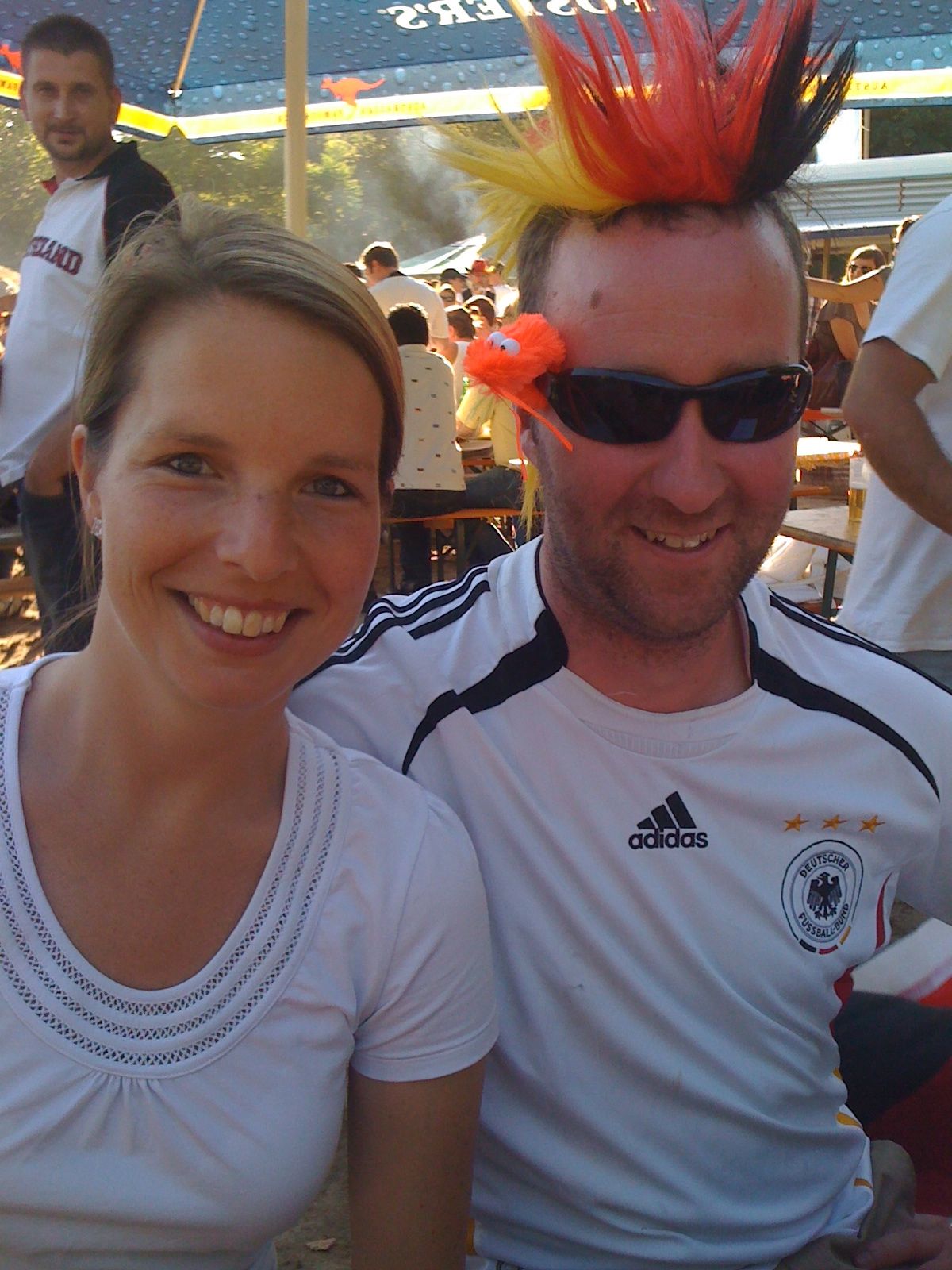
  • Soccer – I used to be torn between the Dutch and the Germans but after their horrible display in the 2010 WC final, I don’t think I can support the Netherlands anymore. This might change after the Euro 2012 if they can go the whole tournament and still behave like adults, but right now I’m going to have to say Deutschland is my team. I of course cheer for Canada, but unless we end up hosting it’s unlikely we will be playing in anything but qualifying matches – for my lifetime anyway. And I like the United States because it’s fun to watch the most powerful nation in the world as an underdog.

Enjoy.

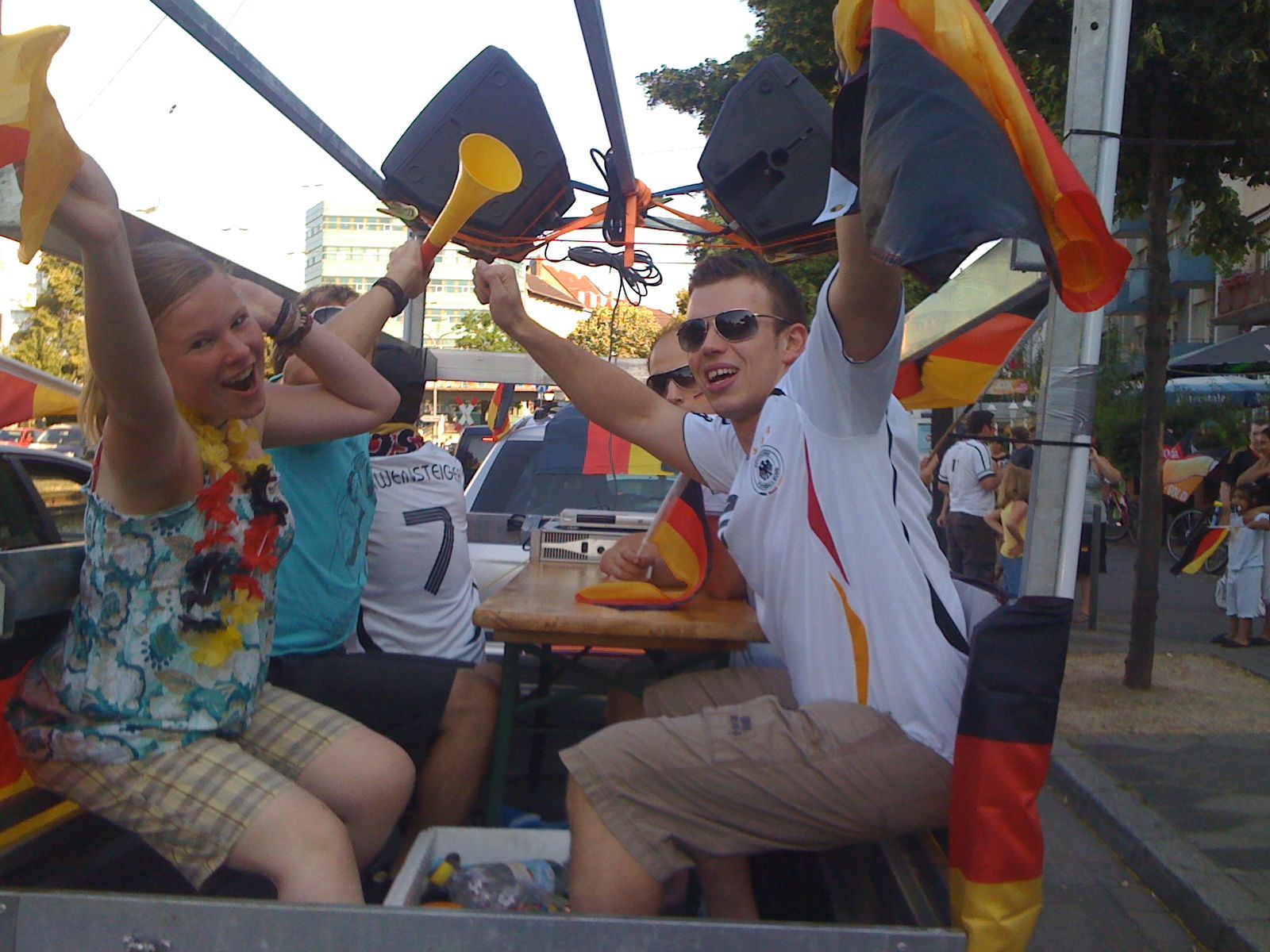
Berlin, WC 2010 semi-final Germany vs. Spain - at this point I was still undecided between supporting Germany or Holland.

Day 76 of 98 – Where I am?

4 Dec

Sometimes I wake up and I don’t know where I am. Often this happens in the middle of the day when I’m already awake. Take right now, for instance. I’m in Germany playing cards (eucher) with a friend who I know from Ottawa and the hockey game playing in the background. There’s nothing about the situation that says, “hey man, you’re in Germany”. All interaction is in English. The snack food is peanuts (lightly salted). Bob Cole is telling us what’s happening on the ice and the beer is cold.

At this point in time, right now, I think you can understand why I’m unsure about where exactly I am.

Confused, would we?

All of this makes me wonder if globalization might actually be a good thing. If my brain can be tricked into thinking that Germany is Canada then it can’t all be bad. But the real challenge would be to make Canadians think they are somewhere else. I wonder what would have to be changed in Canada to make its citizens feel like they are in another country. I wonder what we’d have to change…

  • England – change the accent of our English-speaking citizens to cockney, soccer on the telly twenty-four/seven
  • France – change the accent of our french-speaking citizens to France accent, eliminate breakfast and supper – at the remaining meal only serve cheese.
  • Sweden – install disco balls in all public locations, make Glögg the national drink.
  • Germany – eliminate our archaic public drinking and nudity laws, trains everywhere.
  • Finland – cover the RIM logos on our mobile phones with little Nokia stickers, release billions of mosquitoes into the atmosphere
  • Switzerland – make sure all business are closed everyday by 15:00, be neutral about everything.
  • United States – change the default language on our Internet browsers to “American English”, continue as normal.

And it does not have to be like this all the time. We could make these changes for a fixed period – say, ten days. I think this is much easier than giving Canadian workers two weeks vacation each year.

Day 75 of 98 – Today I met the happiest person in the world

1 Dec

I know what you’re thinking:

Jason, that’s not possible. Everyone knows that the happiest person in the world lives in a fishing village in South America where he fishes a bit in the morning to support his family and then spends the rest of the day relaxing with his family and friends playing the guitar, and laughing, and talking of memories past.

Well I’m sorry to inform you, that’s not true. The happiest person in the world actually lives right here in Berlin and he does not like to fish. Well, maybe he does. We didn’t talk about that.

“What?” you say. “The happiest person in the world is German?!?!”

I can see you now, sitting there with that puzzled look on your face, furrowing your brow in a vain attempt to try and understand the situation. Oh yes, it’s true: he’s German. Gather around, everyone, and I shall tell you a tale.

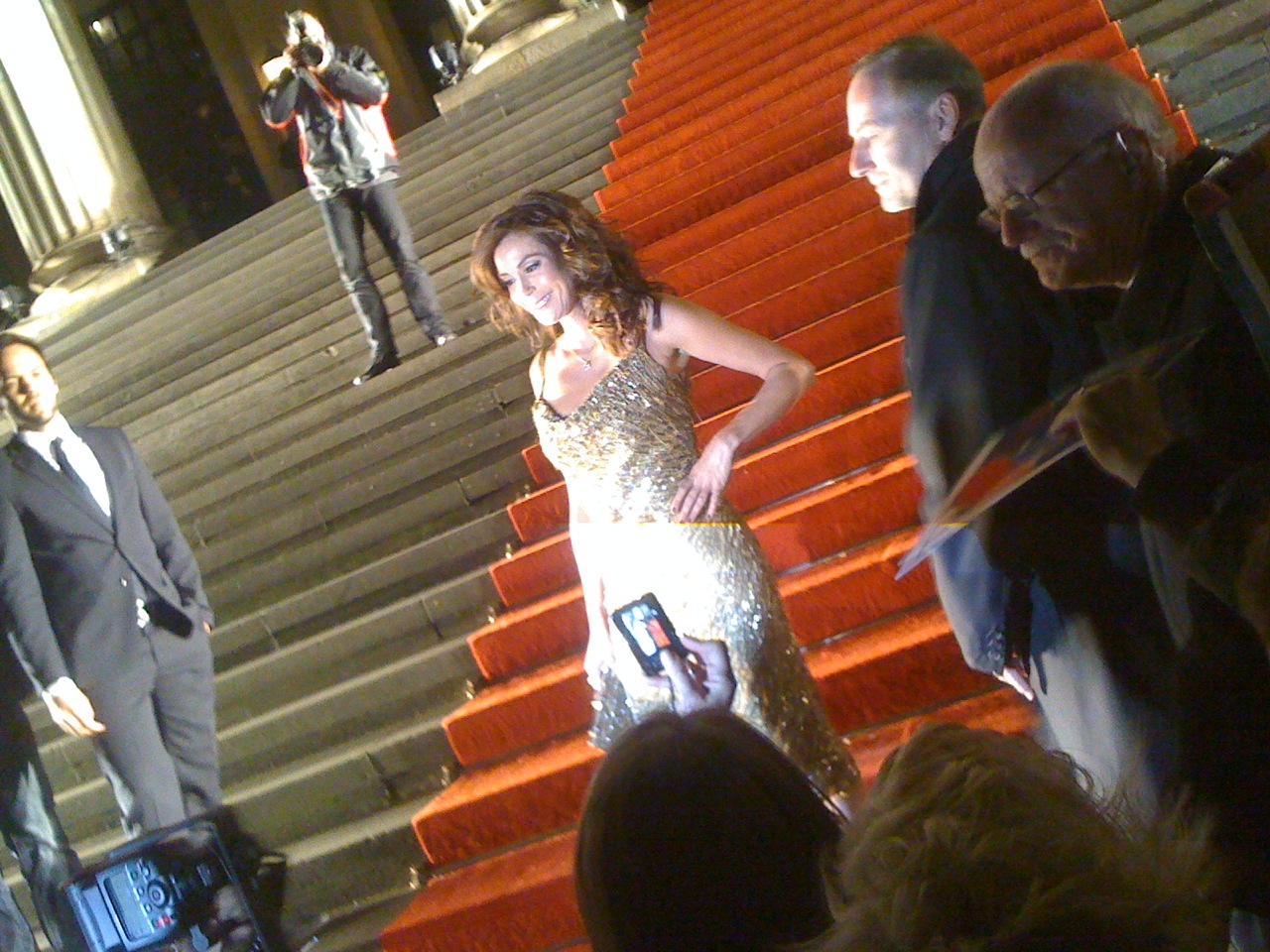
So this morning when I woke up I decided to do some shopping. Some non-Ikea, non-toilet shopping. This weekend I’m going to visit some friends over in the west of Germany and I need to pick up a couple of gifts. Luckily for me it’s the season of the Christmas Markt. On my way back from the Iittaala store on Friedrichstrasse I stumbled upon an extra-large Weihnachtsmarkt located in the exact same place as that red carpet event I covered a few weeks ago.

No Teri Hatcher this time.

Now in some of my previous posts I’ve talked about the markets here in Germany and I think this is a good time to talk about them a little more. But before we begin, a little background. Some of the markets here in Berlin are what we would call back home “flea markets” (selling used goods and trinkets). For this post I’m going to exclude those and only talk about the ones that are more like proper stores selling new and high-quality items and foods. Everyone got that? Good, let’s get to it.

There are so many things I find fascinating about this market system here in Berlin, I don’t know where to begin.

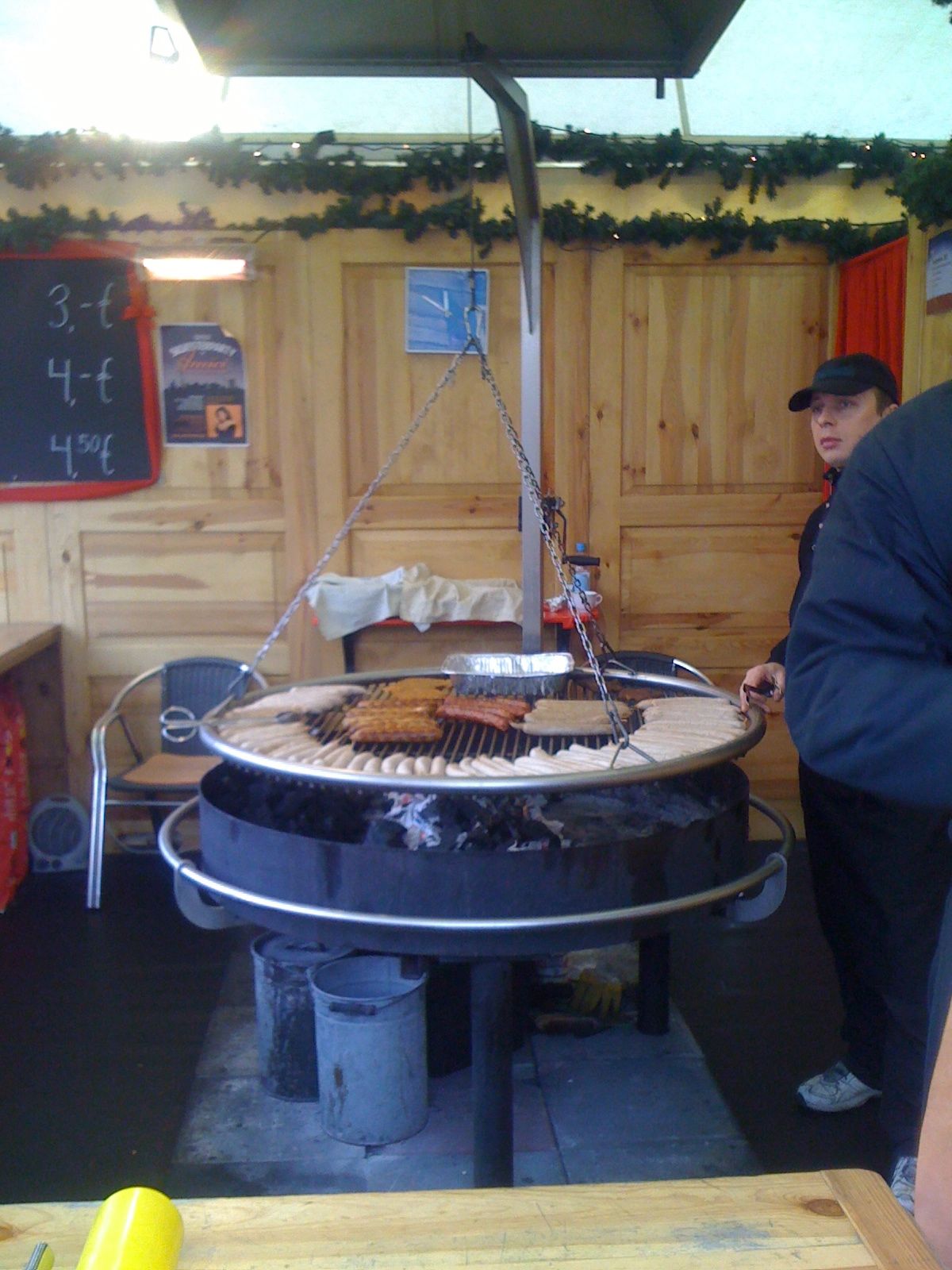
One – In these markets you will find people selling arts, crafts, jewelry, clothing, purses, posters, food, Glühwein, precious Glühwein, crepes, wursts, gloves, wallets, hats, picture frames, roasted nuts, bangers, kippers, and almost anything else you can think of.
The grill is made in the south of Germany

Two – There are two types of markets: Christmas (set up for the five weeks before Dec 25) and weekly (set up once or twice a week, usually Thursdays and/or Saturdays).

Three – The markets are located in the many large squares and piazzas all around Berlin. The Christmas ones are semi-permanent – the structures are designed to be in place for five weeks and then removed. The weekly stands can be set up and taken down in a matter of minutes (some of the more elaborate ones take longer). They are usually active between 10:00 and 16:00.

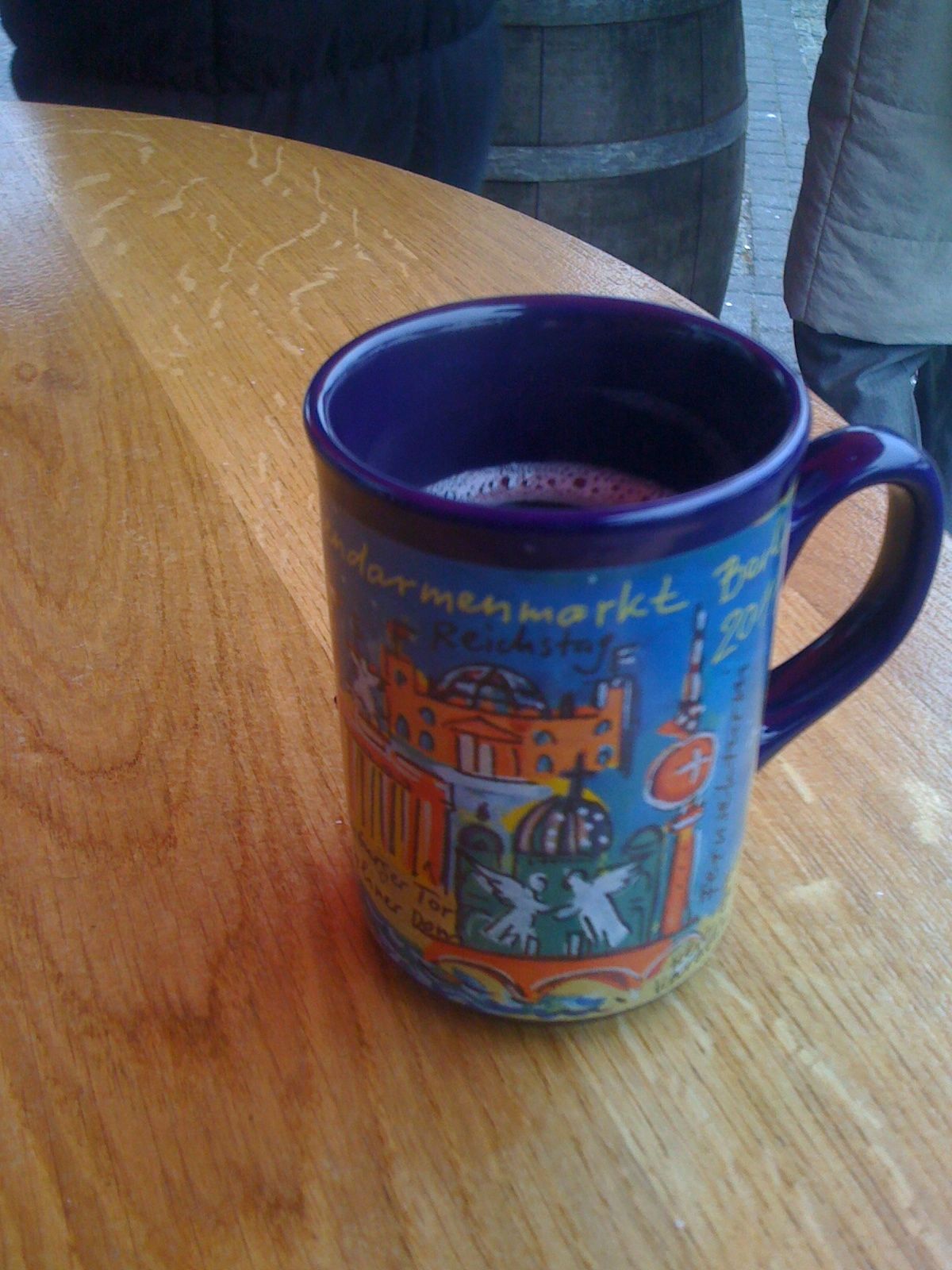
Four – As previously mentioned, one is free to enjoy alcohol anywhere in Germany and these markets are no exception. A nice glass of German spiced wine (Glühwein) will set you back about about 2.50 euros. There’s a deposit but you get that back when you return the glass. The food stands all sell beer.

The best part of Christmas!

Five – Many of the items being sold are all made in Germany. Today I got a mushroom brush and a box – both made here in Berlin.
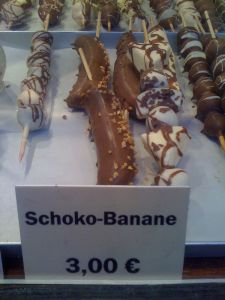
Does this even require a caption?

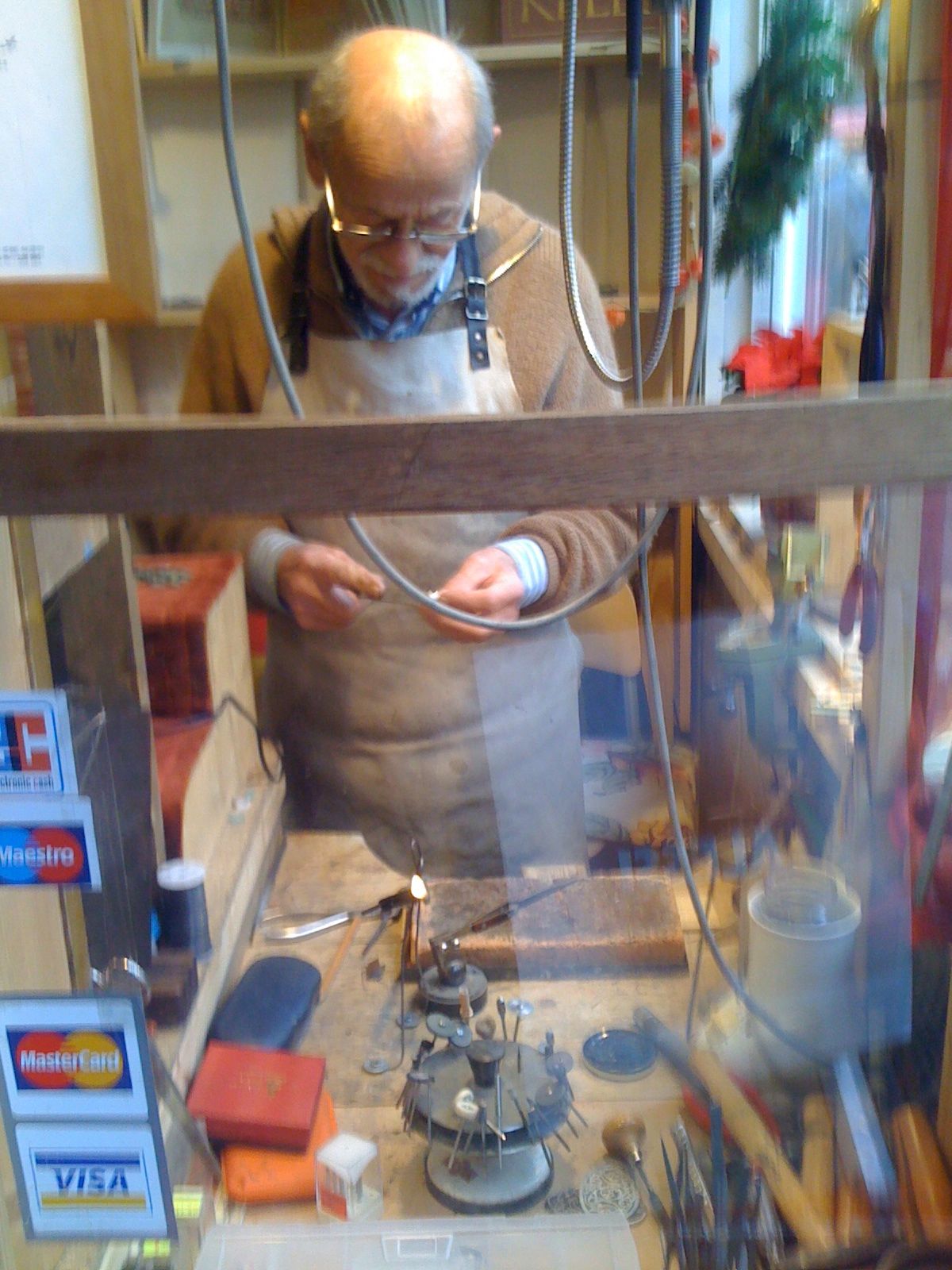
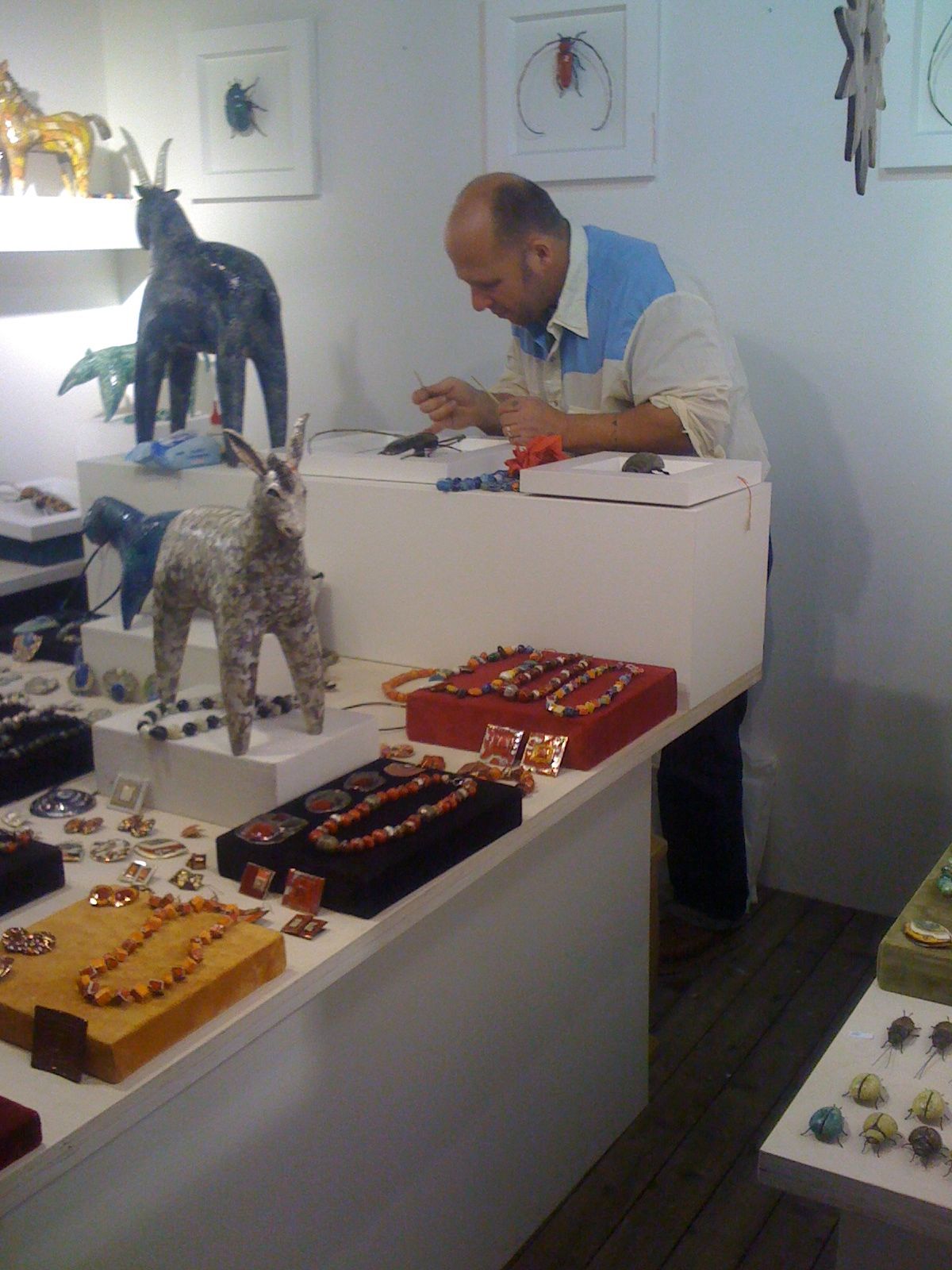
Six – Sometimes the artisan is right there working away on whatever it is she’s selling. This is so cool. Also, if they were not able to work on it right there, they had a video running of someone building it.
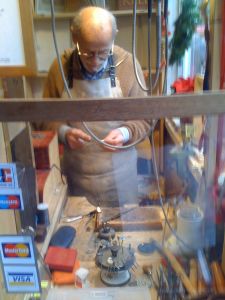
This guy actually knows how to build stuff... out of silver.

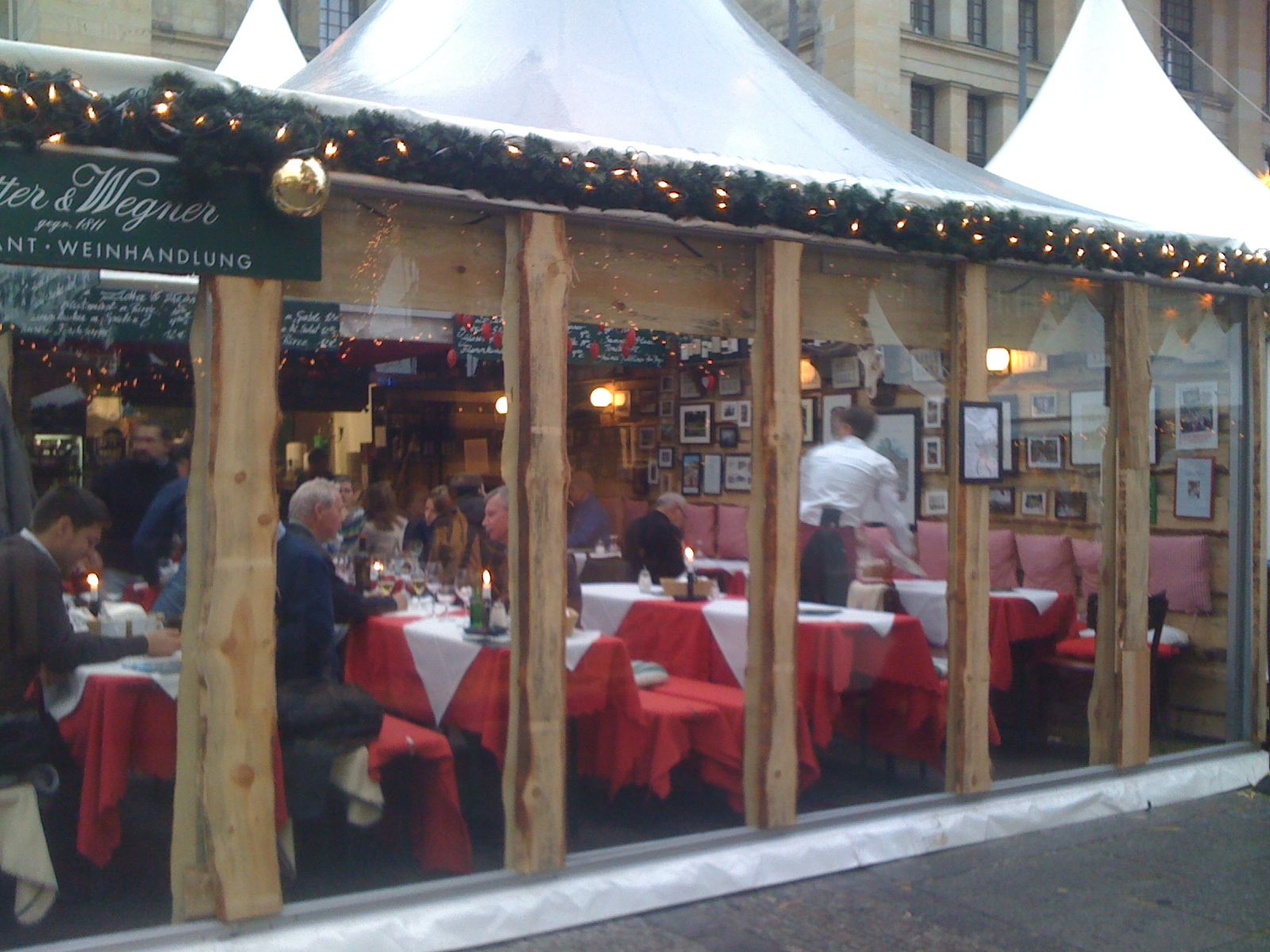
Seven – These structures have to be set up to accommodate the diverse weather that Berlin experiences – the markets run all year round.
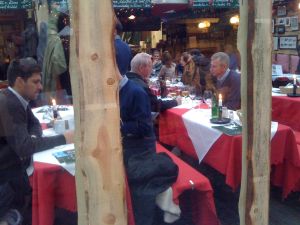
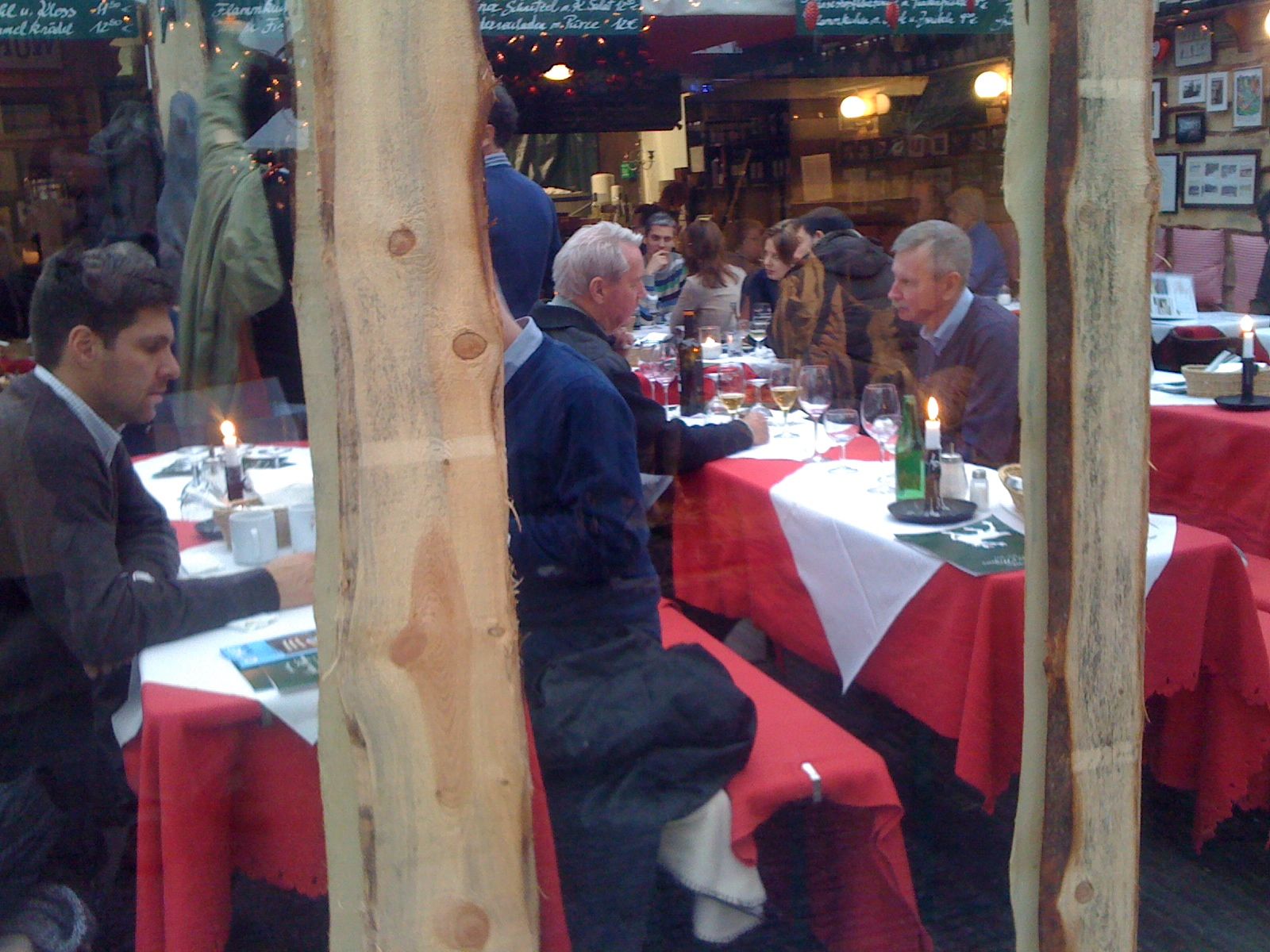
Looks like a regular resturant?
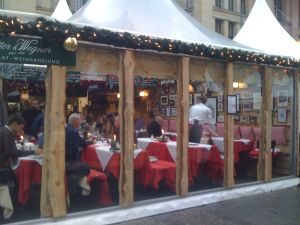
Wrong! Temporary structure!

Let me explain why I think this whole system is amazing, but this time using a slightly different numbering system.

First – It promotes manufacturing by providing a low-cost way for people to sell their own goods. This is accomplished by regulating the selling phase to specific times. This makes it much easier for a single individual to make and sell a products. One can build Monday to Friday and sell on Saturday.
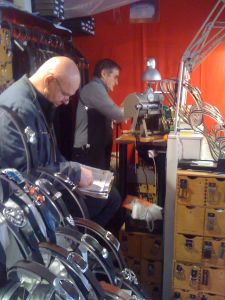
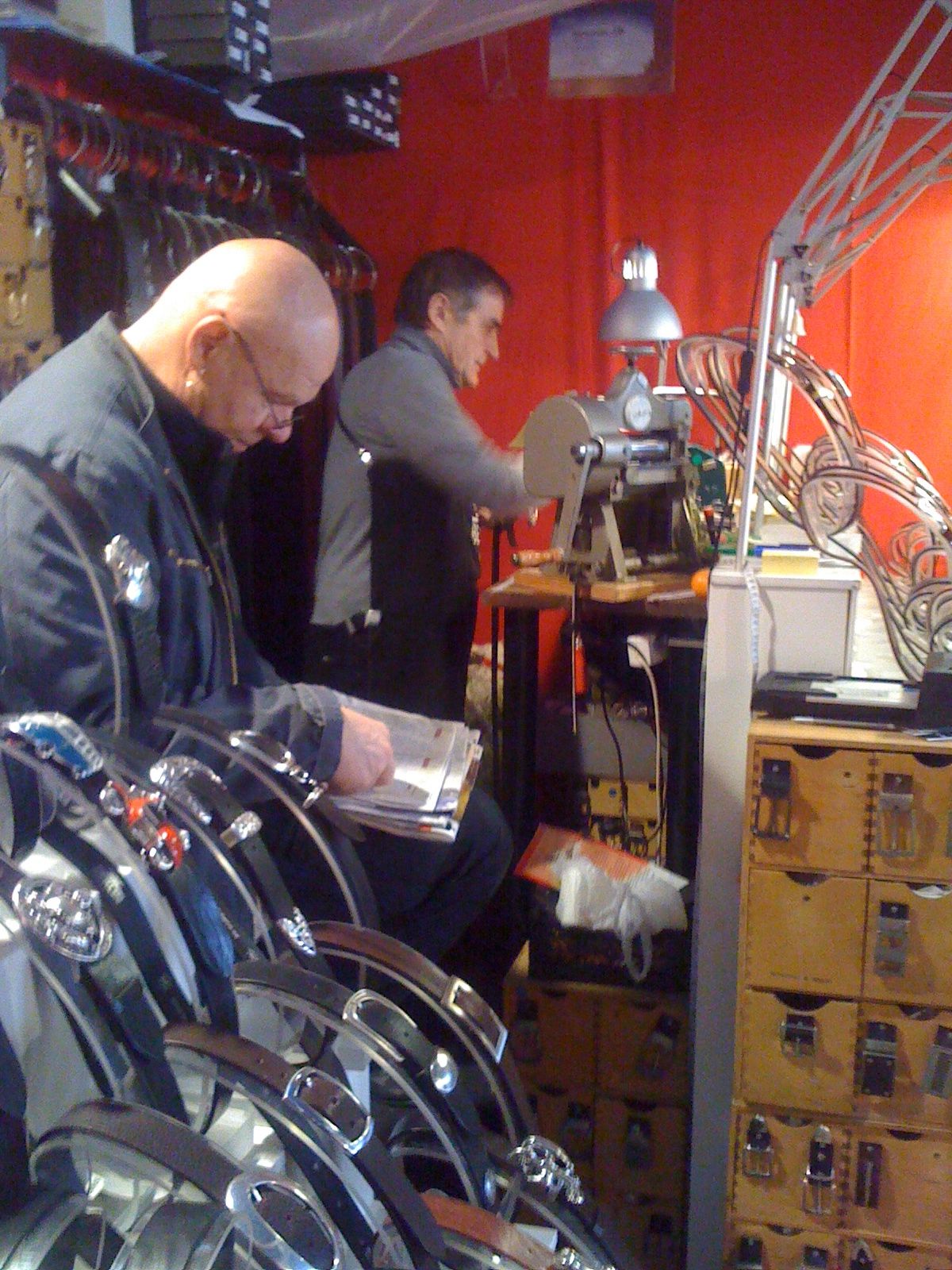
These guys are making belts - and hopefully resting on the seventh day.

Second – The Thursday-and-Saturday and five-weeks-before-Christmas market periods are a brilliant idea. All of the customers know that these are the times to go shopping. Essentially both parties, the customer and the vendor, (normally adversaries) have come to an agreement on when buying and selling will take place. They each benefit by having more control over scheduling their respective activities (i.e. free time).

Third – It provides the benefits of a physical store without the overhead of having one at a fixed location.

A thought experiment: the day after American Thanksgiving is called Black Friday because it’s a huge Christmas shopping day and it’s the first day of the calendar year where most traditional business go “in the black” (turn a profit). As a business owner would you be comfortable waiting until four weeks before Christmas to find out if your business is going to survive until the following year? (Black Friday is the last Friday in November).

It also provides a better medium for selling certain items. I imagine it is difficult to sell high-quality hand-made items over the internet. If a piece of jewellery costs fifty dollars in a virtual store, the customer is going to want to try it on before buying it. If it’s being sold at a traditional store, this same piece of jewellery is going to have to cost ten times the price because of the increased overhead.

Fourth – It gives the owner more control over the business. For example, it can be run with less employees. You could hire one person to work Thursday-and-Saturday but if you had a fixed store you would need at least five employees to cover ten hours per day, six days a week (at a minimum).
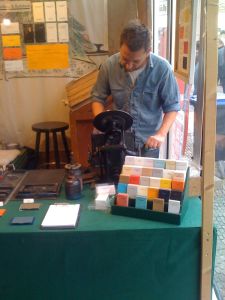
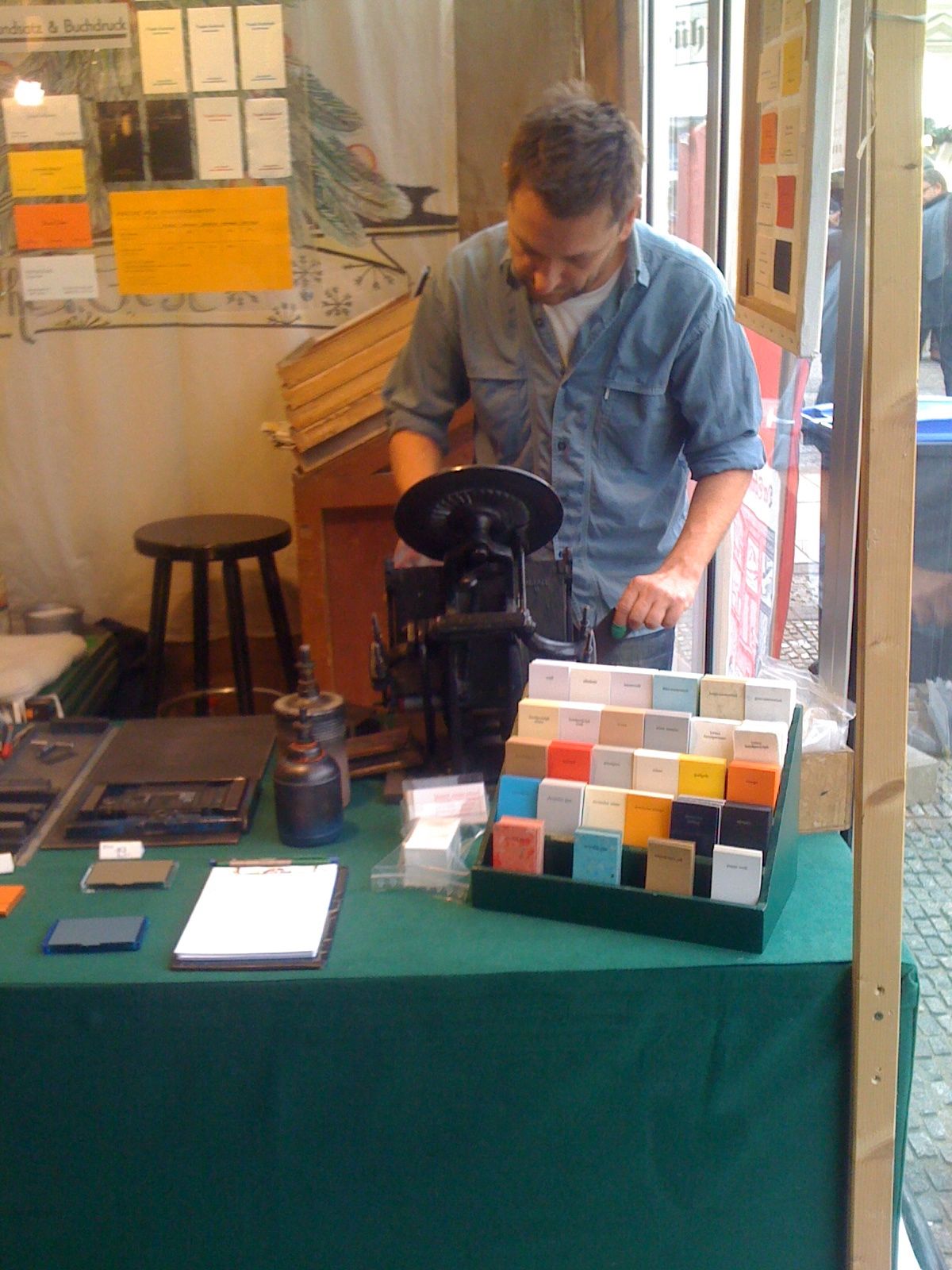
This guy is making business cards. By hand. Using a machine.

Fifth – It provides more opportunities because you’re also able to set up shop anywhere. If you’re selling food you could easily do so at festivals because you’re already mobile.

Sixth – It gives an entrepreneur the opportunity to try out an idea while still maintaining a day job. She can work on her idea in the evenings with Saturday reserved for selling. If it fails to take off, then she still has her regular job to fall back on.

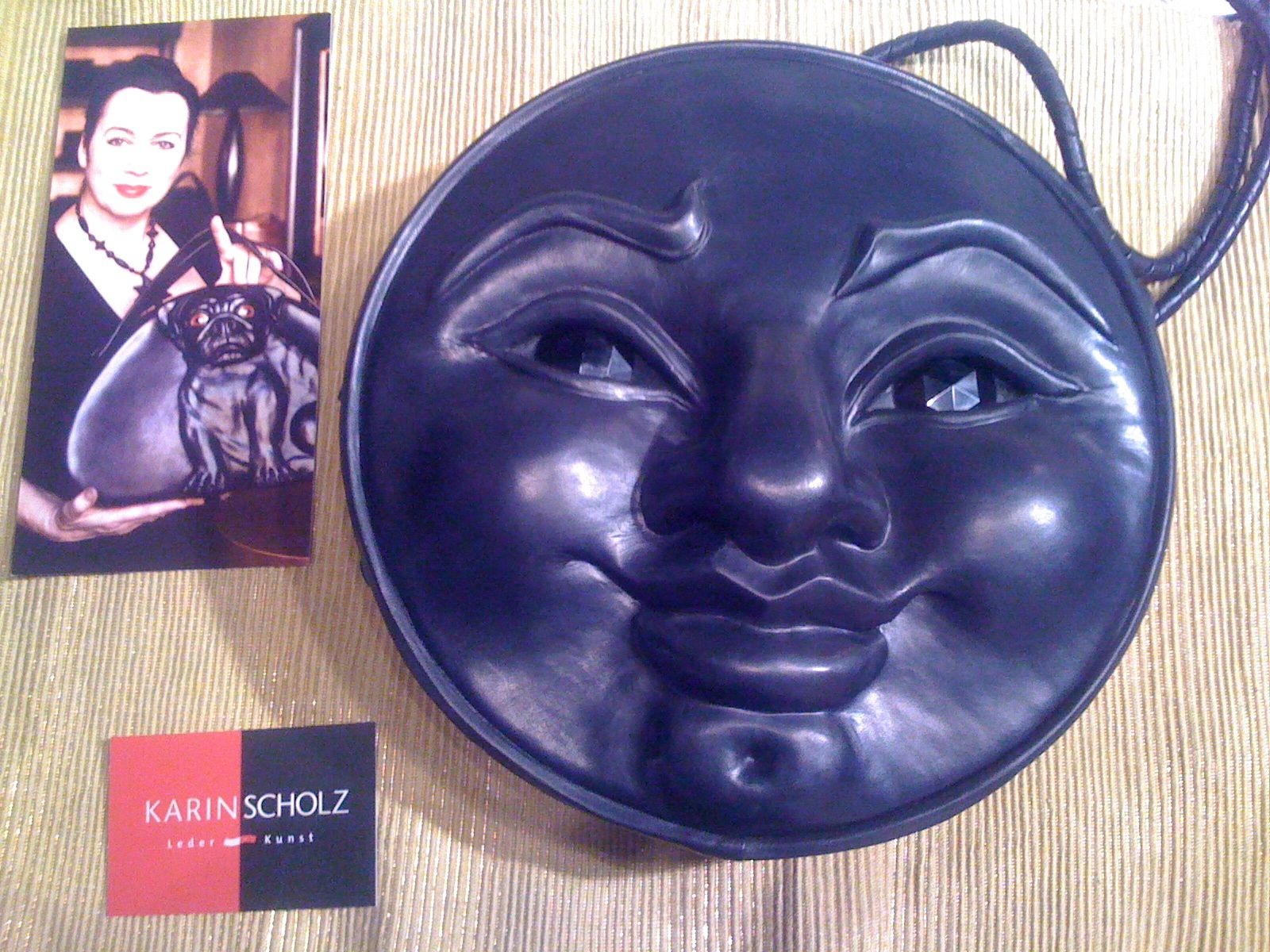
I've been told that Shakira bought one of these 1100 euro, limited edition, only ten per year, made in Dusseldorf purses.

Seventh – There’s something about this whole setup, especially with the Berlin-made items, where you can see the profits from whatever it is you’re buying, going directly to the workers. There’s no middleman, shipping, outsourcing, or any of that nonsense. The fact that half the time you can physically see someone building the thing you’re buying, helps remove any doubt about where the item was made.
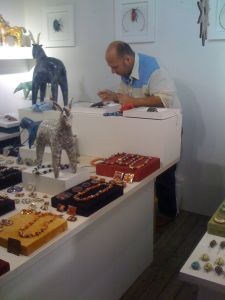
Working away.

Many of the items I saw today were made in Germany and most of those were made right here in Berlin. Another thought experiment – close your eyes, and think of the something (not food) that was made in your city. The only thing I can come up with (for Ottawa) is me – and, I guess, my twin sister.
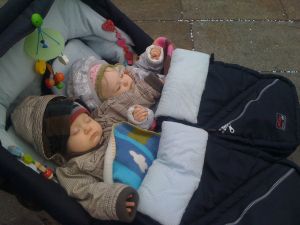
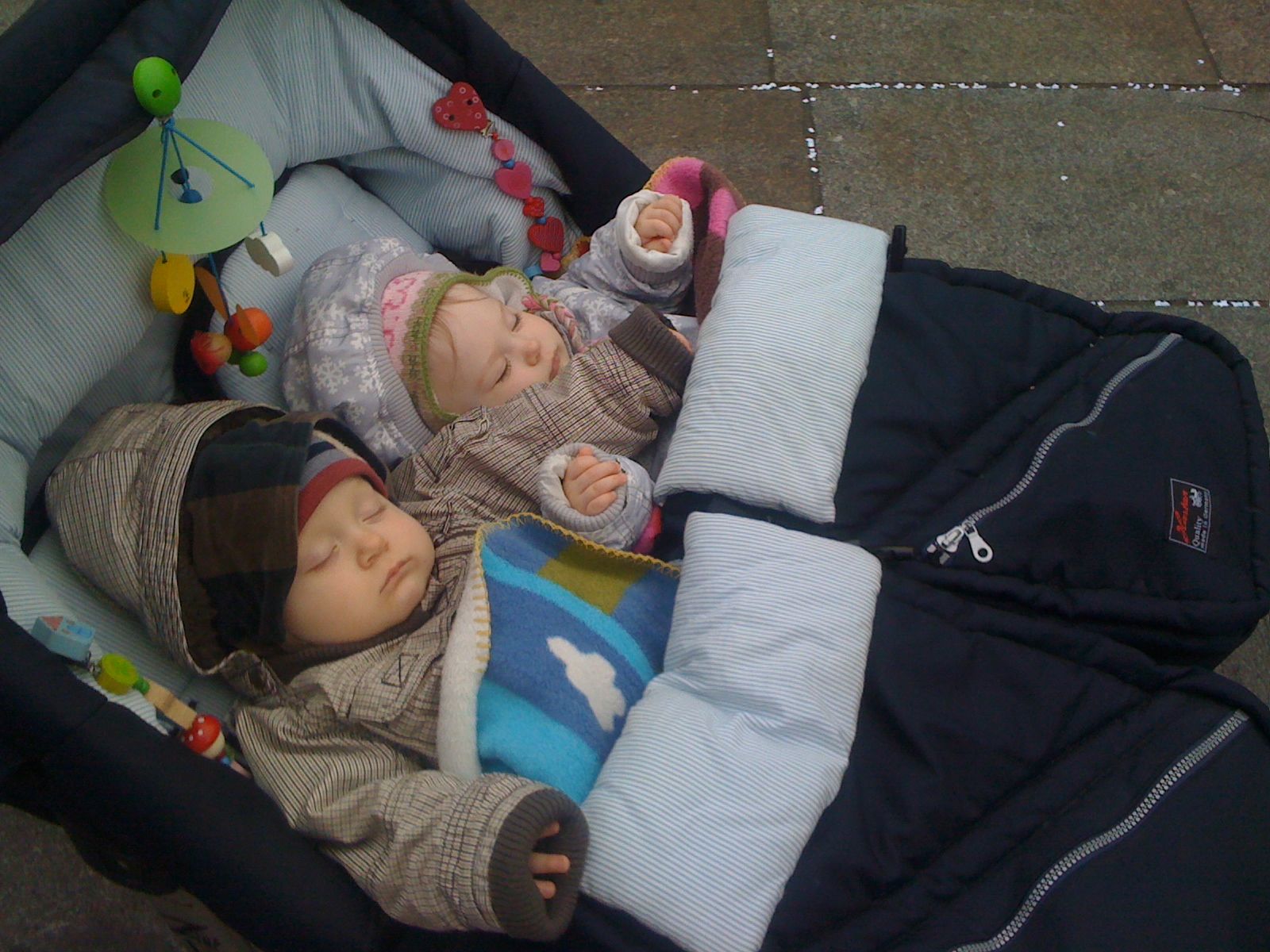
The Miracle Twins

Eighth – It promotes innovation by allowing the manufacturer to easily a) interact *directly* with the customer (no purple monkey dishwasher) and b) view what the competition is doing. I’ve been to a ton of markets like these all the way from Tunisia to Beijing and I can safely say that the ones in Berlin have the nicest stuff.

Ninth – you can actually sell high-end, hand-made items because there are others doing the same. If you were in an area where everyone was selling used CDs your $75 jewelry would seem very out of place and you would have the wrong clientele browsing your merchandise.

Alright then. All done with the numbered lists for this post.

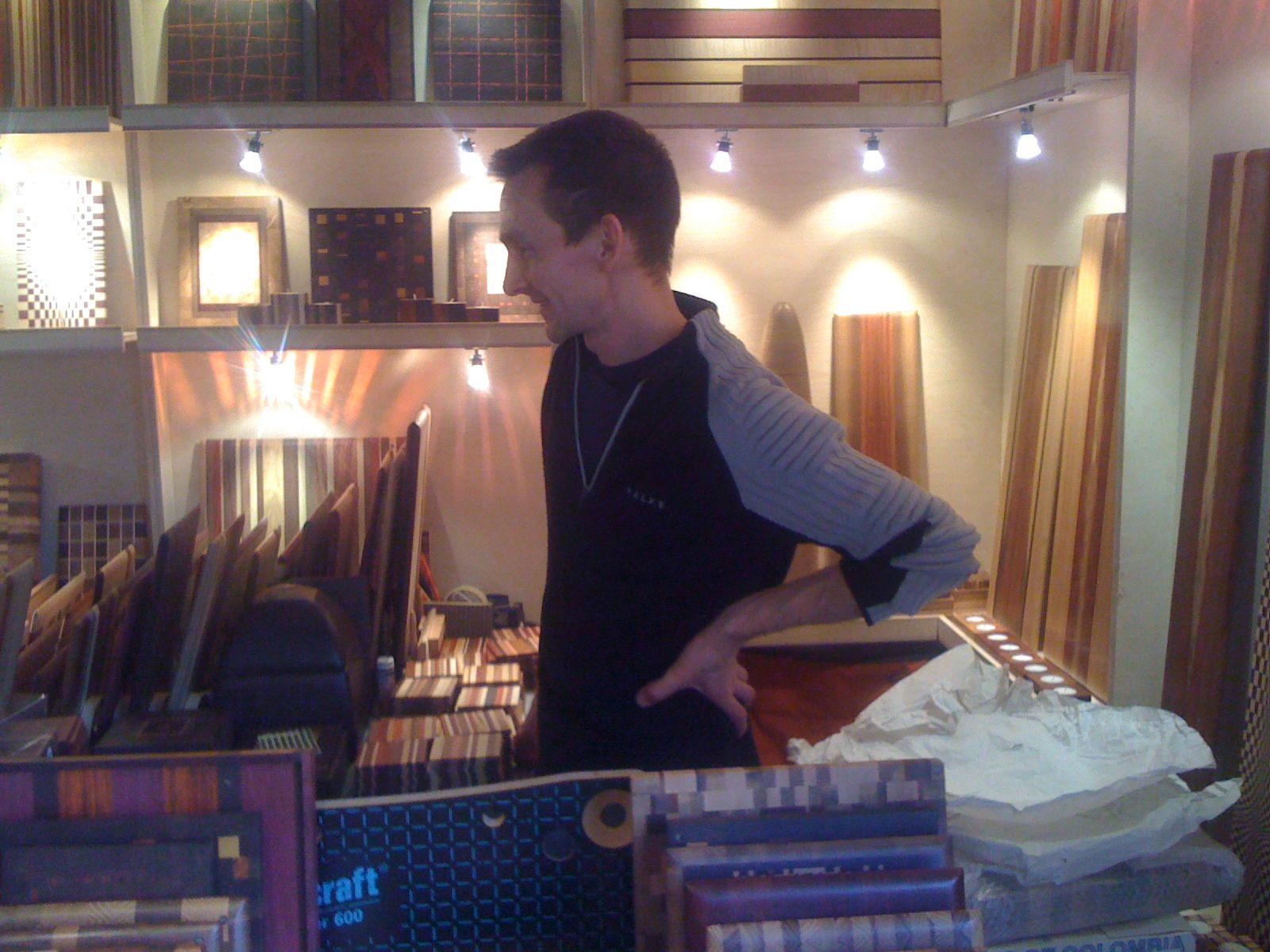
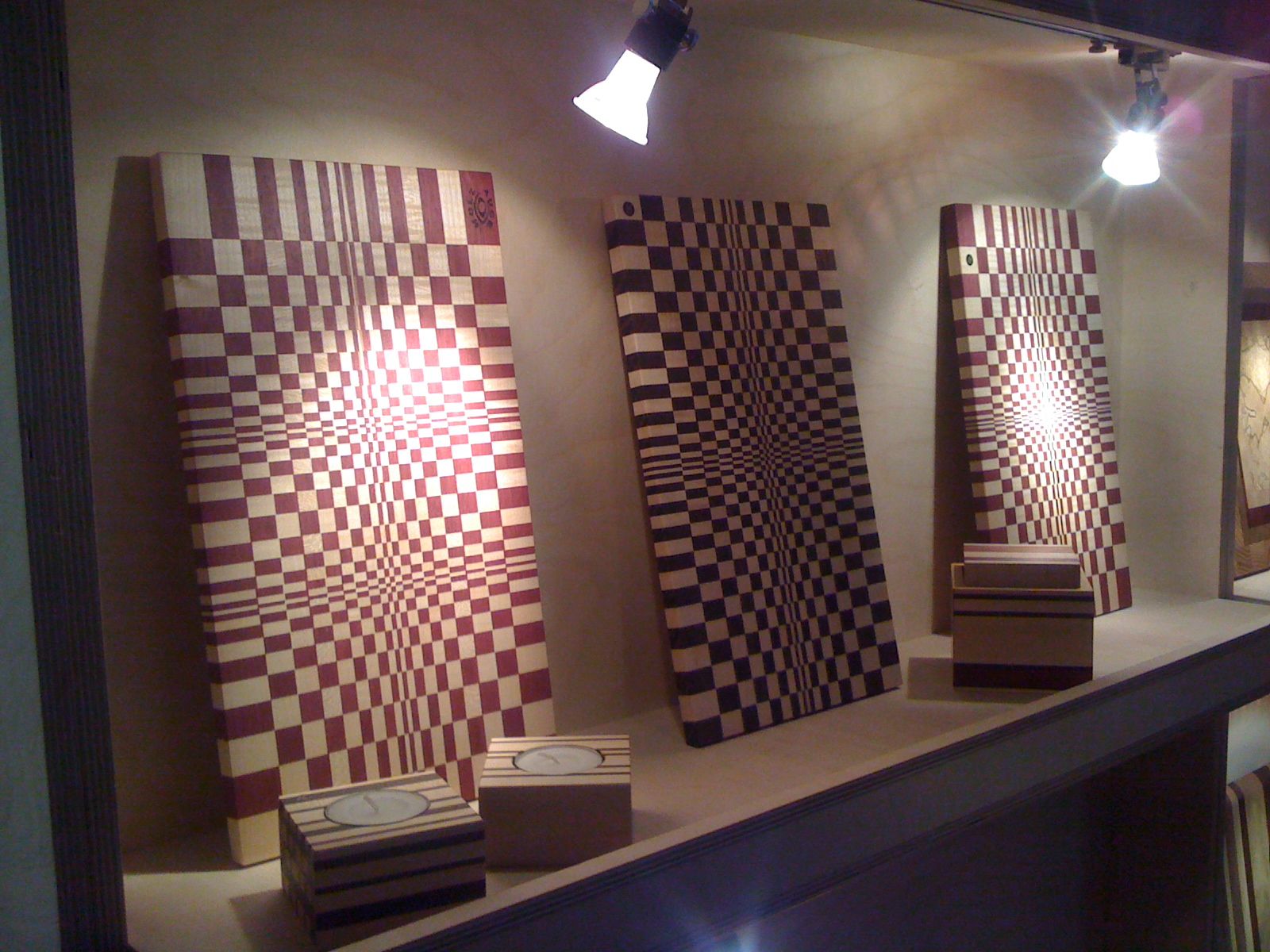
So, hands down my favourite booth of the day was Holz Auge (Wooden Eye). I will try and explain to you now why the owner, Mr. David Köbele, is the happiest person on earth.
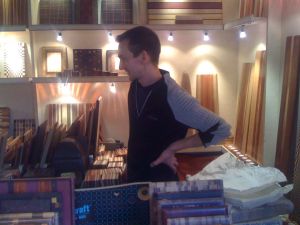
David in his store.

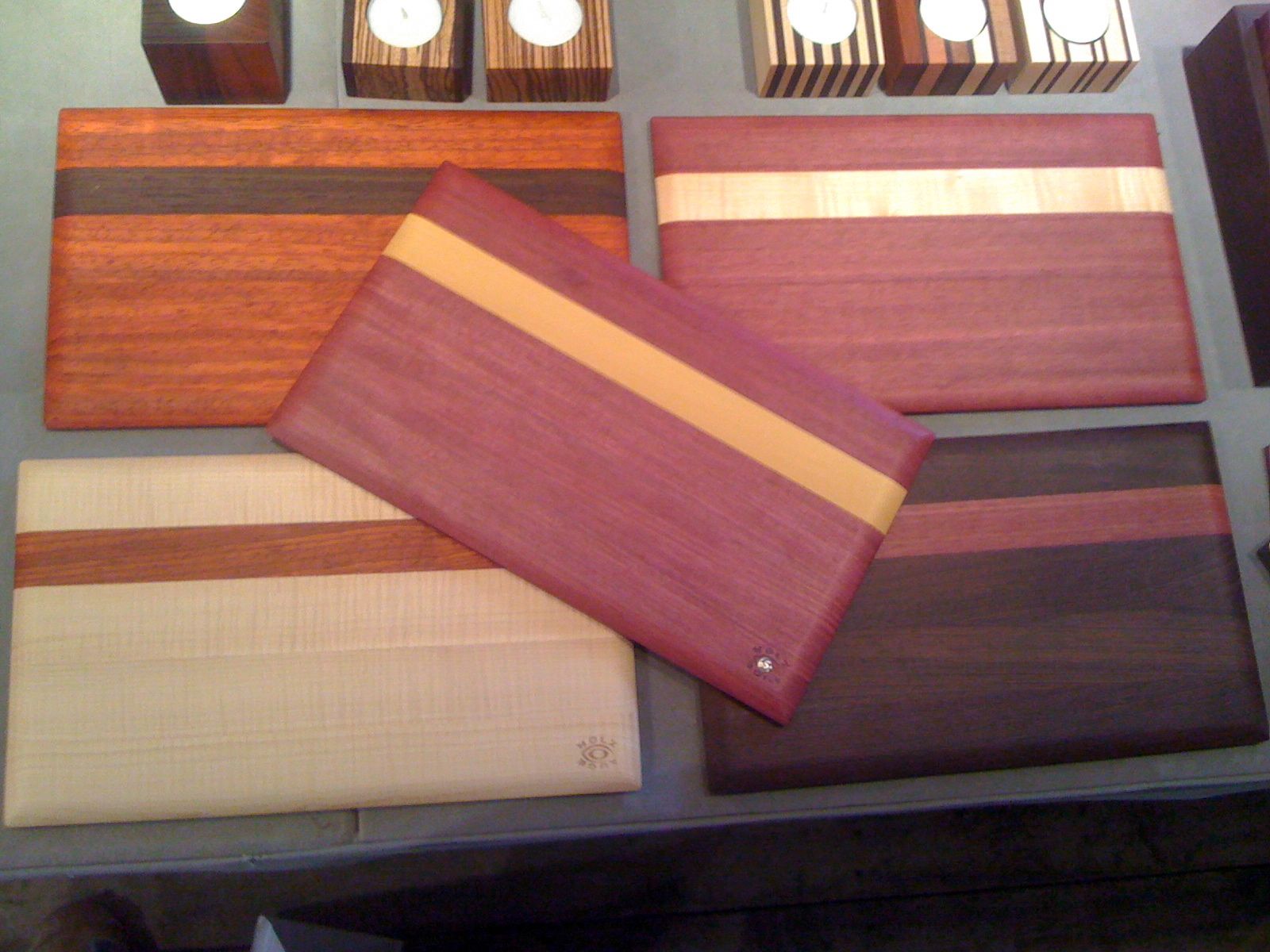
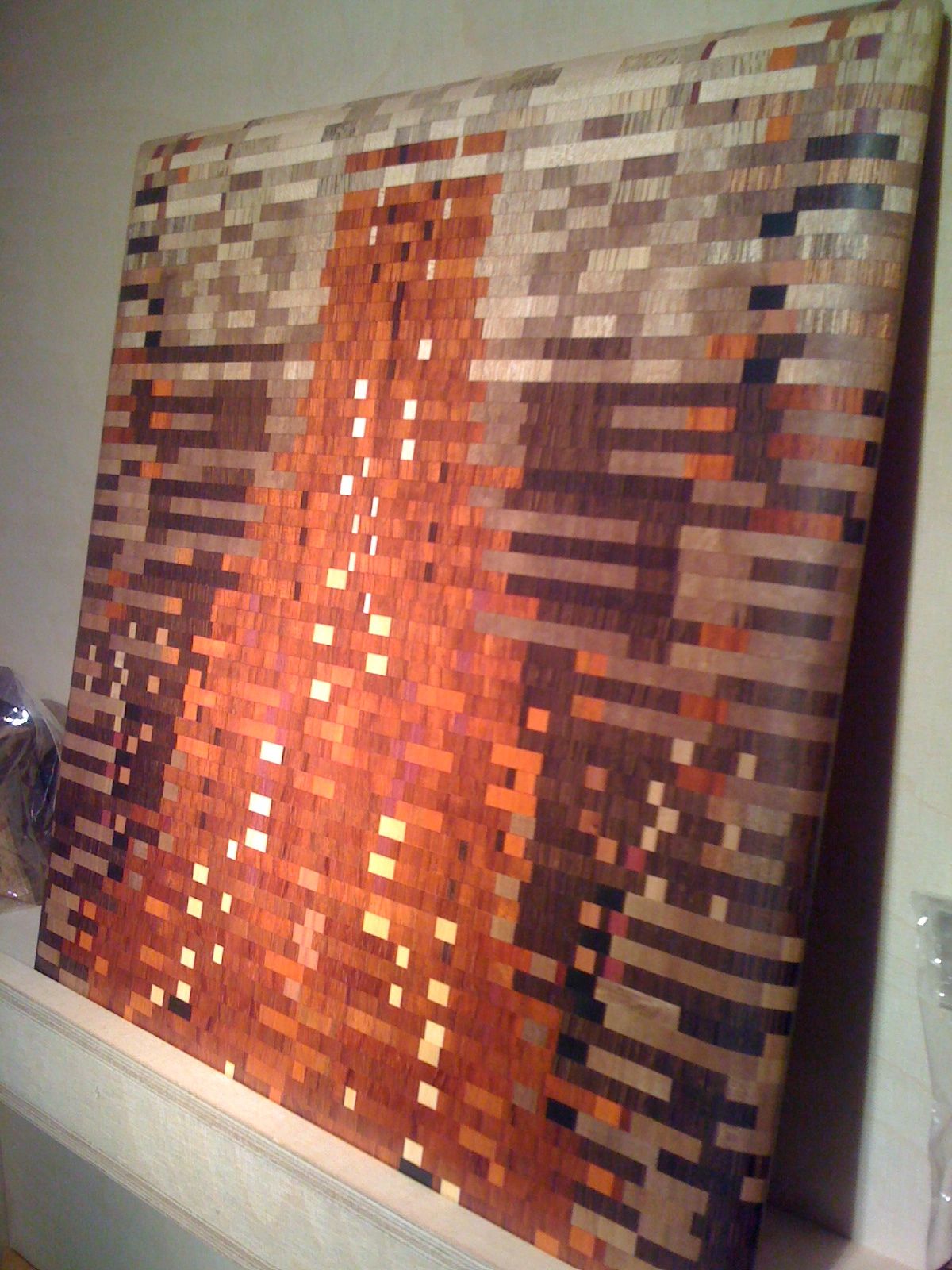
David makes objects, art, and mosaics. His medium is wood – exclusively. His works are all hand made, high-quality, one-of-a-kind, pleasant to the touch, and mesmerizing to the eye. He does not use any dies or stains or paint – each piece is its natural colour. He uses over forty different types of wood to some very dramatic results. The boxes have no metal hinges or felt interiors. The mosaics feel like they came from a single block. Truly remarkable.
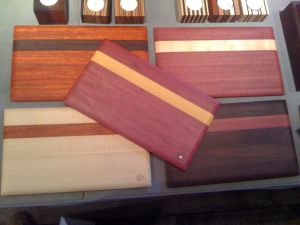
That yellow stripe was just incredible.

He has a workshop here in Berlin where he does standard hours during the week (08:00 to 17:00) and on Saturdays he sets up his vendor booth at the Kollwitzplatz Markt in Prenzlauer Berg from 10:00 to 16:00. He’s got a mini-workshop with him so he can still do some woodworking between customers. He does not sell online because one really has to handle the items to appreciate them.
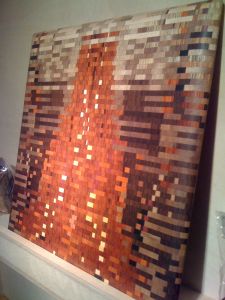
Not built by a robot.

So why is David the happiest person in the world? I talked with him for about forty-five minutes and here is what I was able to determine:

  • It’s obvious that he’s doing what he loves – he was smiling the whole time we were talking about his work.
  • He told me he’s been interested in wood and woodworking since he was five years old. If this were me I’d be cloning dinosaurs right now (I’m not cloning anything).
  • He has no downtime at work – there is always something to do. If it’s a slow sales day, just keep on building.
  • You know when you get into a project, like really into it, and you’re working away and you look up at the clock and it’s the end of the day and you wonder where the time went (but not in a negative, where-did-my-twenties-go sort of way). I’m under the impression that this is David’s standard workday. I imagine it’s the opposite for most people.
  • He’s able to support himself and his family with his business while working a regular eight-hour day
  • He’s the only employee – think how much you could get done in a day with no interruptions.
  • He’s got a workshop; his own space to concentrate on his craft. And I imagine that it’s optimized so that he spends most of his time doing the fun stuff instead of writing documentation.
  • He’s able to be creative, make beautiful things, and see the finished product.
  • And it goes with out saying but I will say it anyway, he does not have to worry about access to healthcare, beer getting too expensive, where his next meal is going to come from, insurgency, malaria, or bad weather destroying his livelihood.
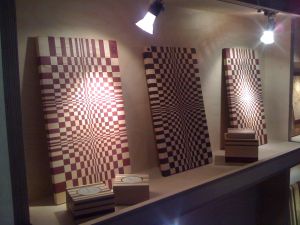
These ones were super awesome too.

I’m sure there’s a few more reasons but I can’t think of them right now. If you are having difficulty understanding how David could be the happiest person in the world, simply reread this post and each time you encounter the words “wood” or “woodworking”, simply replace them with one of these words:

  • sailing
  • fishing
  • writing
  • viola playing
  • writing and researching about international political science, governmental treaties, and foreign trade policy
  • vegetarian cooking
  • Jesus
  • mountain biking
  • hockey playing
  • Perl programming
  • frenetic dancing
  • Star Wars

It might make more sense.
Day 74 of 98 – Back at the Ikea

30 Nov

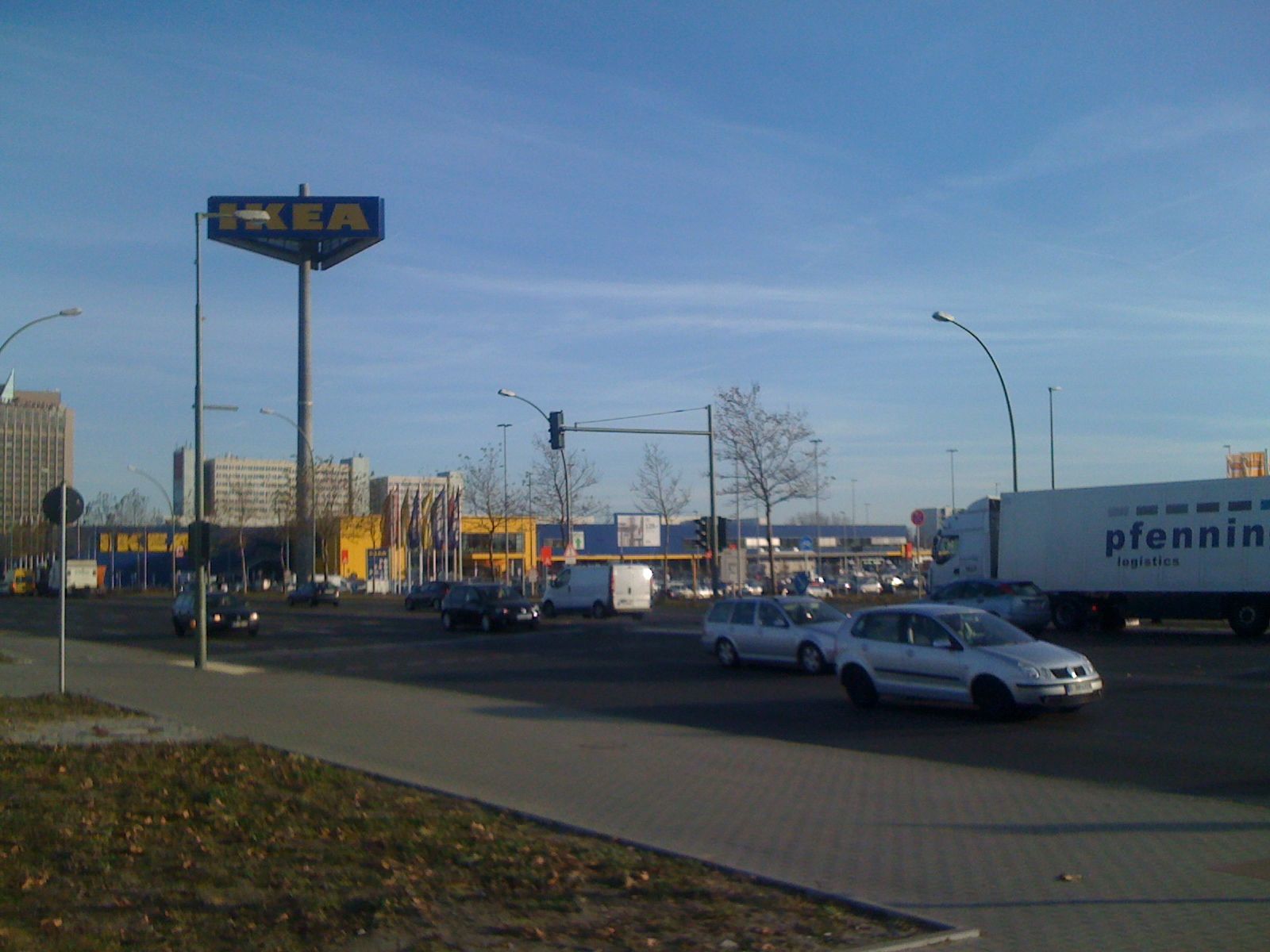
My quest to visit all the Ikea stores in the world is now one step closer to completion. Yesterday I visited the one in Berlin Lichtenberg and it was bigger than any of the previous ones I’d previously been to. It had two levels and a restaurant and the ball room was the size of a hockey rink. Ball room. Those crazy Swedes.

Just the sign is bigger than any Ikea in Canada.

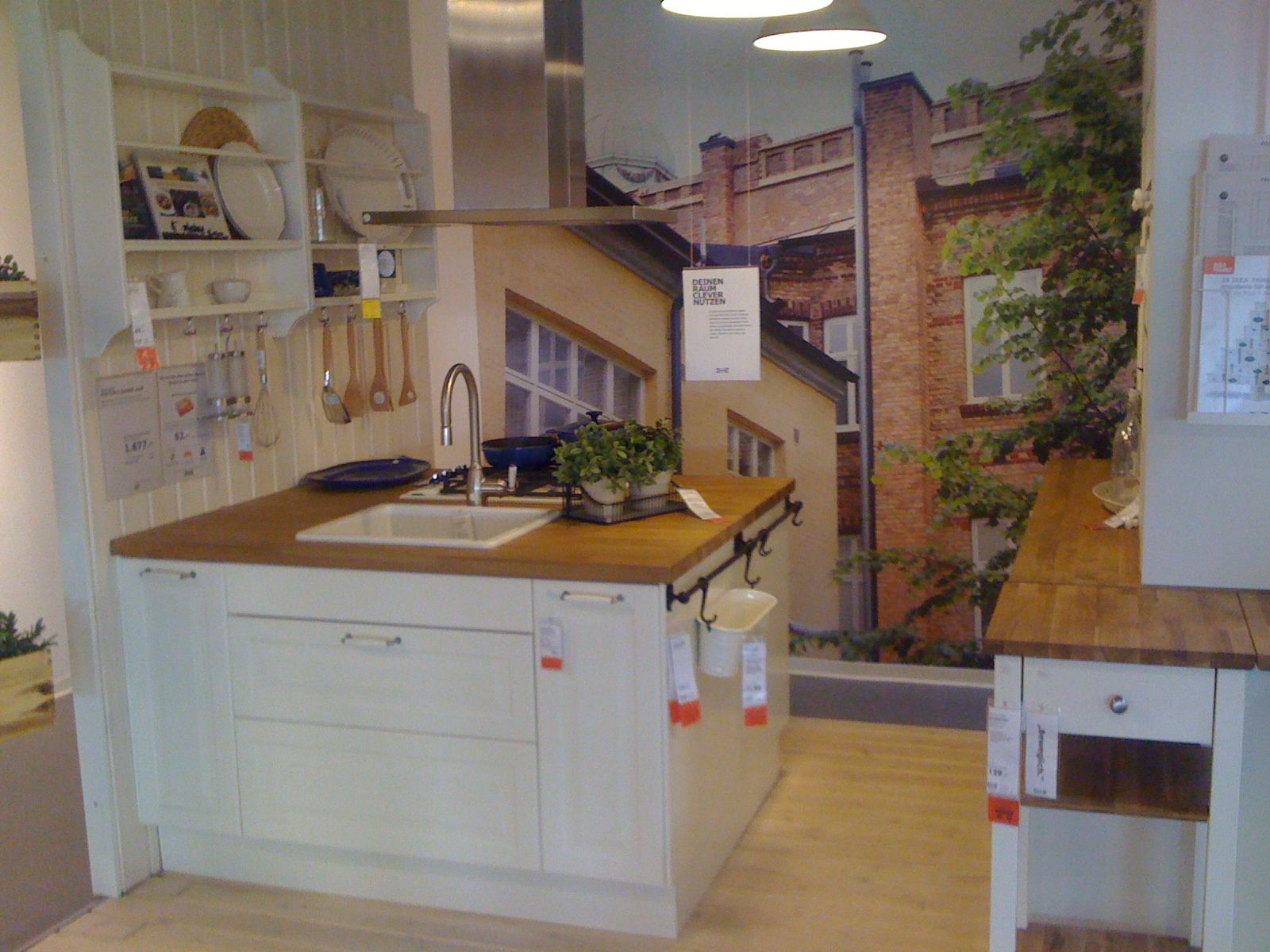
I like visiting these Scandinavian furniture stores because they give me some ideas for my own renovations. For example: who would have ever though about putting a sink and hob on the same island?

Actually it's more of a peninsula.

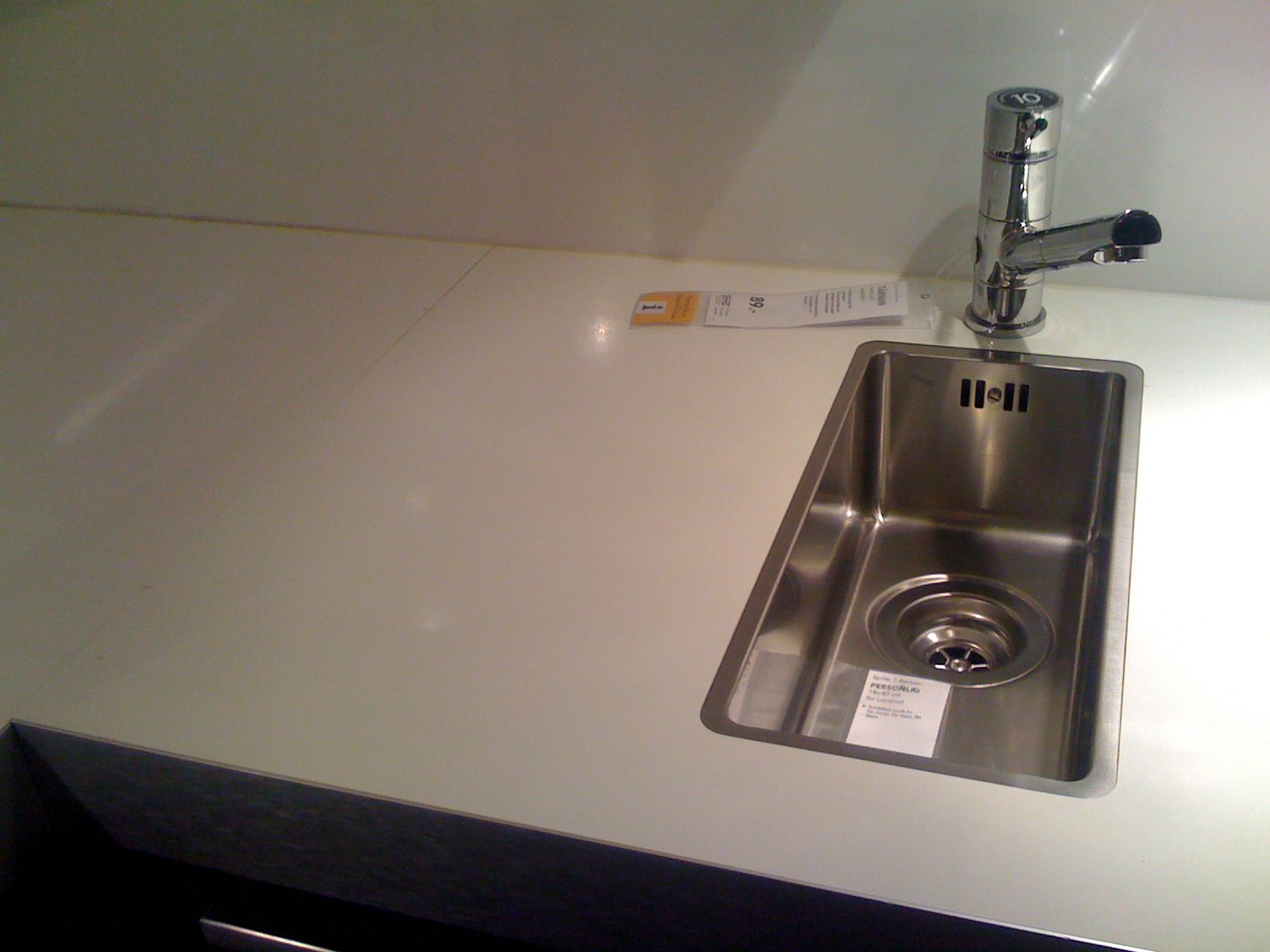
And just look how cute this sink is.

Just think of all the dishes she could wash in there.

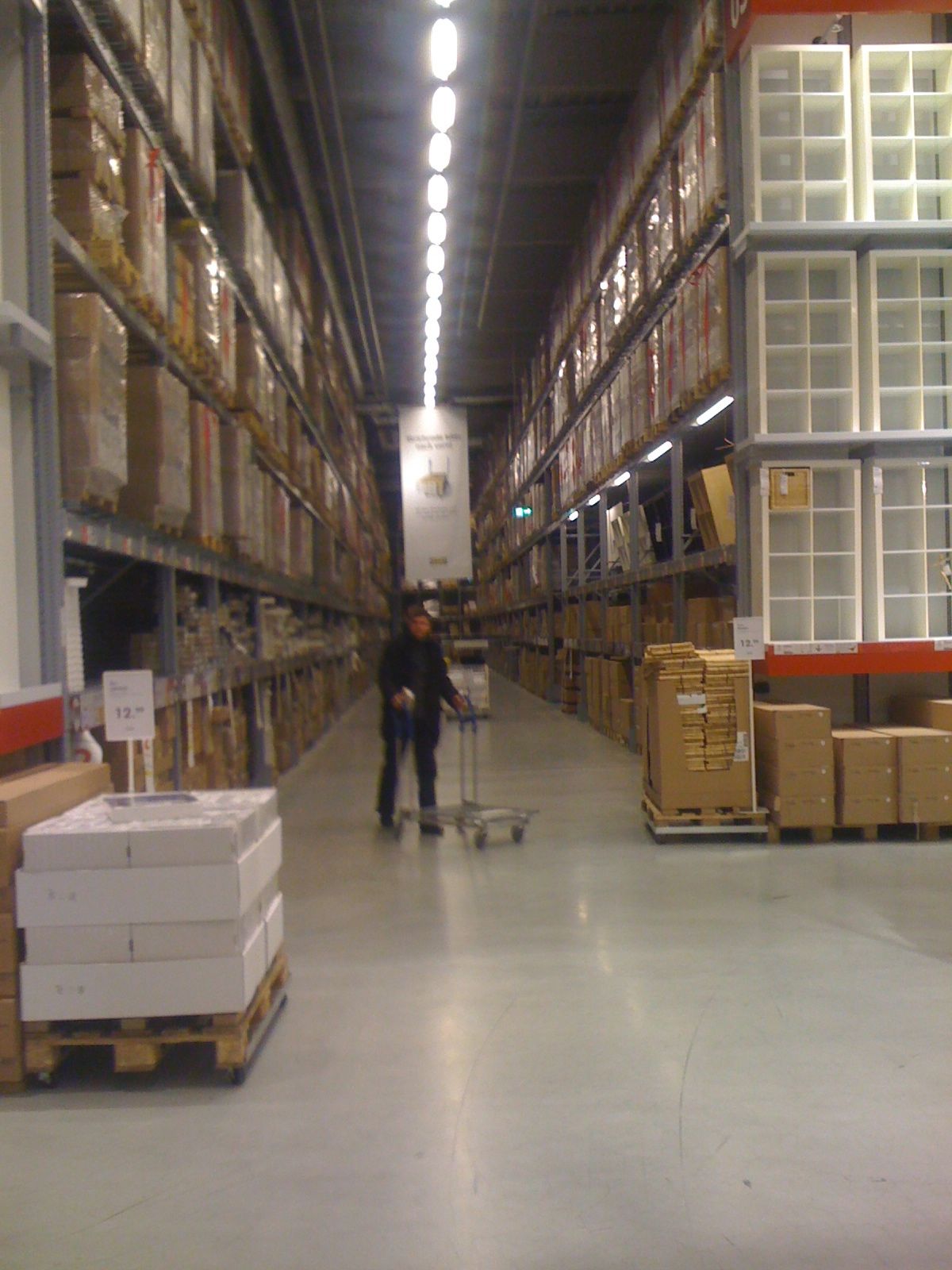
My favourite section of the store was of course the warehouse. Look at this thing. I think I see the Ark of the Covenant.
Oh shit! Did I just spoil the end of a thirty-year-old movie?

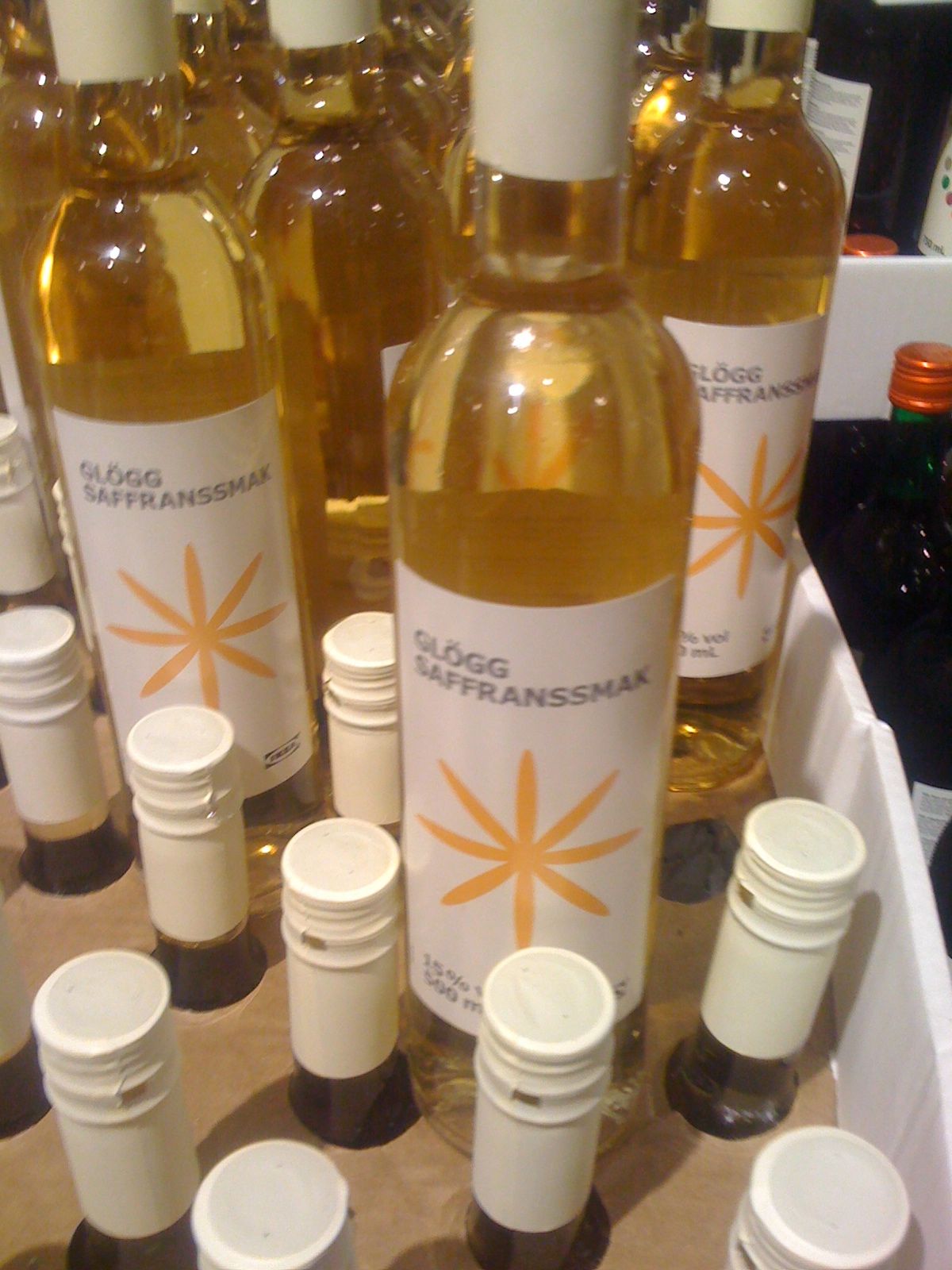
And the Swedes have this thing called glögg. No way was I going to try drinking that. Firstly it was only a dollar. That’s cheaper than tap water in Sweden. And finally it’s called glögg.

We can all share some glögg in the ball room.

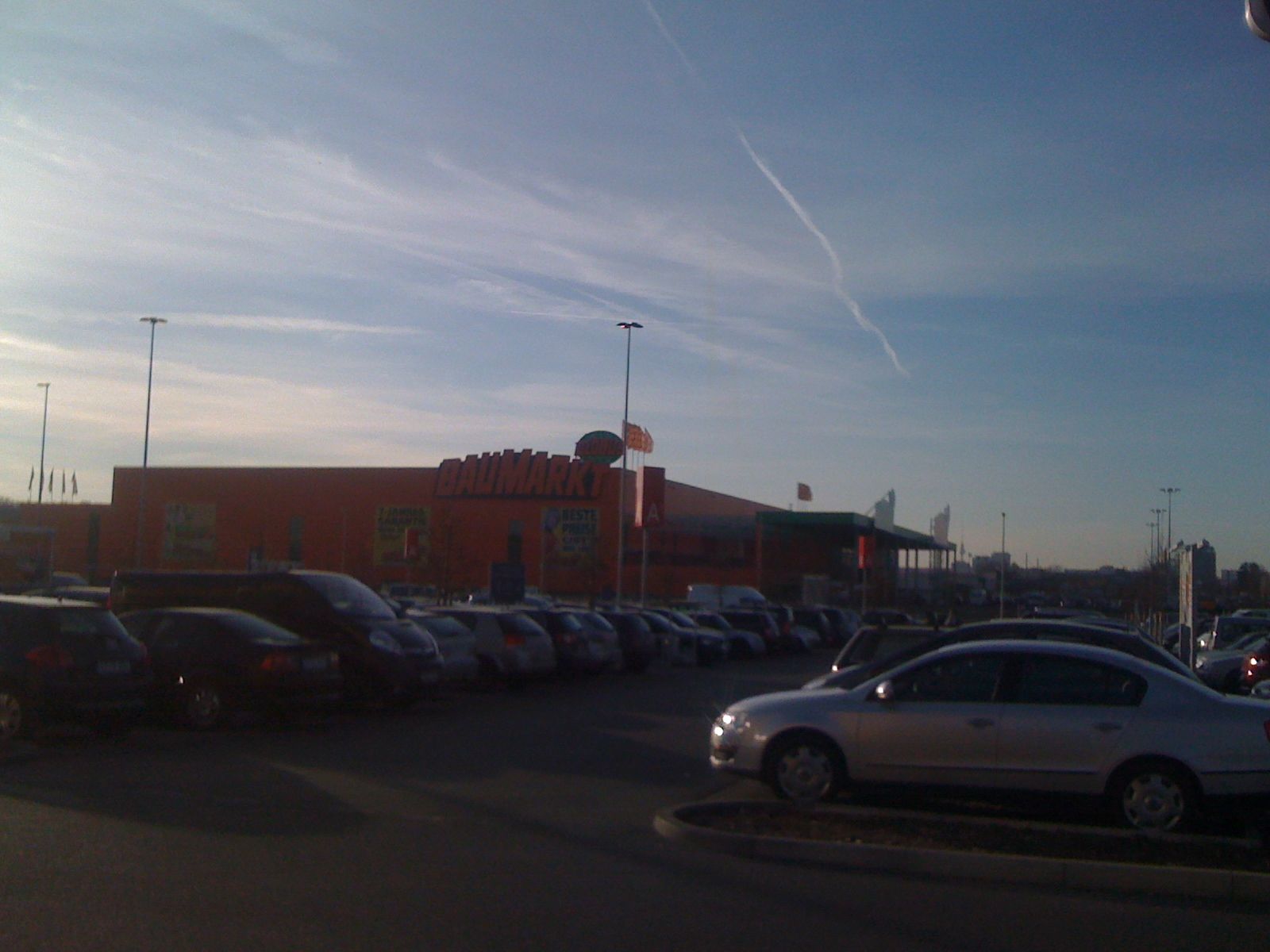
The best part of the trip was that across the street there was a Baumarkt. The picture is deceptive. This store was even bigger than the Ikea. I looked it up online and the only building that’s bigger is the the Boeing Everett Factory Assembly Plant located in Everett, Washington.
Caption!

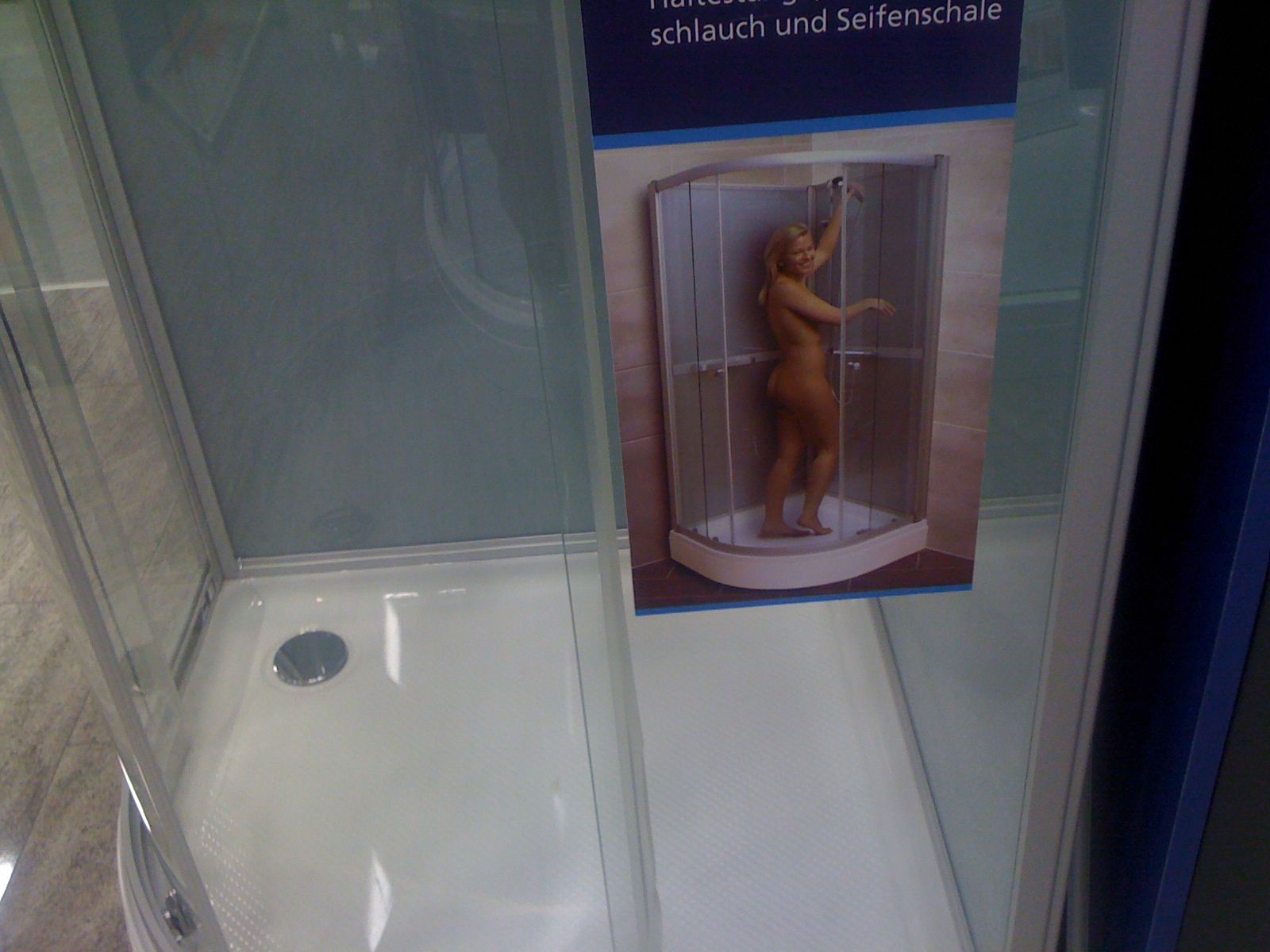
Again I was looking for toilets and by extension, showers.

Ah, ze Germans.

All in all it was a good day. I was able to accomplish my goal (visit the Ikea) in just a little over seven hours. I had estimated ten.